Case Study

Diocese Website Redesign

Reconnecting a fading nationwide community through a complete digital overhaul
Case Study

Diocese Website Redesign

Reconnecting a fading nationwide community through a complete digital overhaul
MY ROLE

UX/UI Designer

(Visual design, brand development, information architecture, high-fidelity wireframes & prototypes)

TEAM
  • Sharon T. - UX/UI Designer & Project Manager

  • Bijo T. - Full-Stack Developer

TOOLS

Figma, Figjam, Figma AI, ChatGPT, Claude, Google Docs, Excel, Zoom, Heurio

Timeframe

1 year (part-time)

Background
What is the Syro-Malabar Catholic Eparchy?

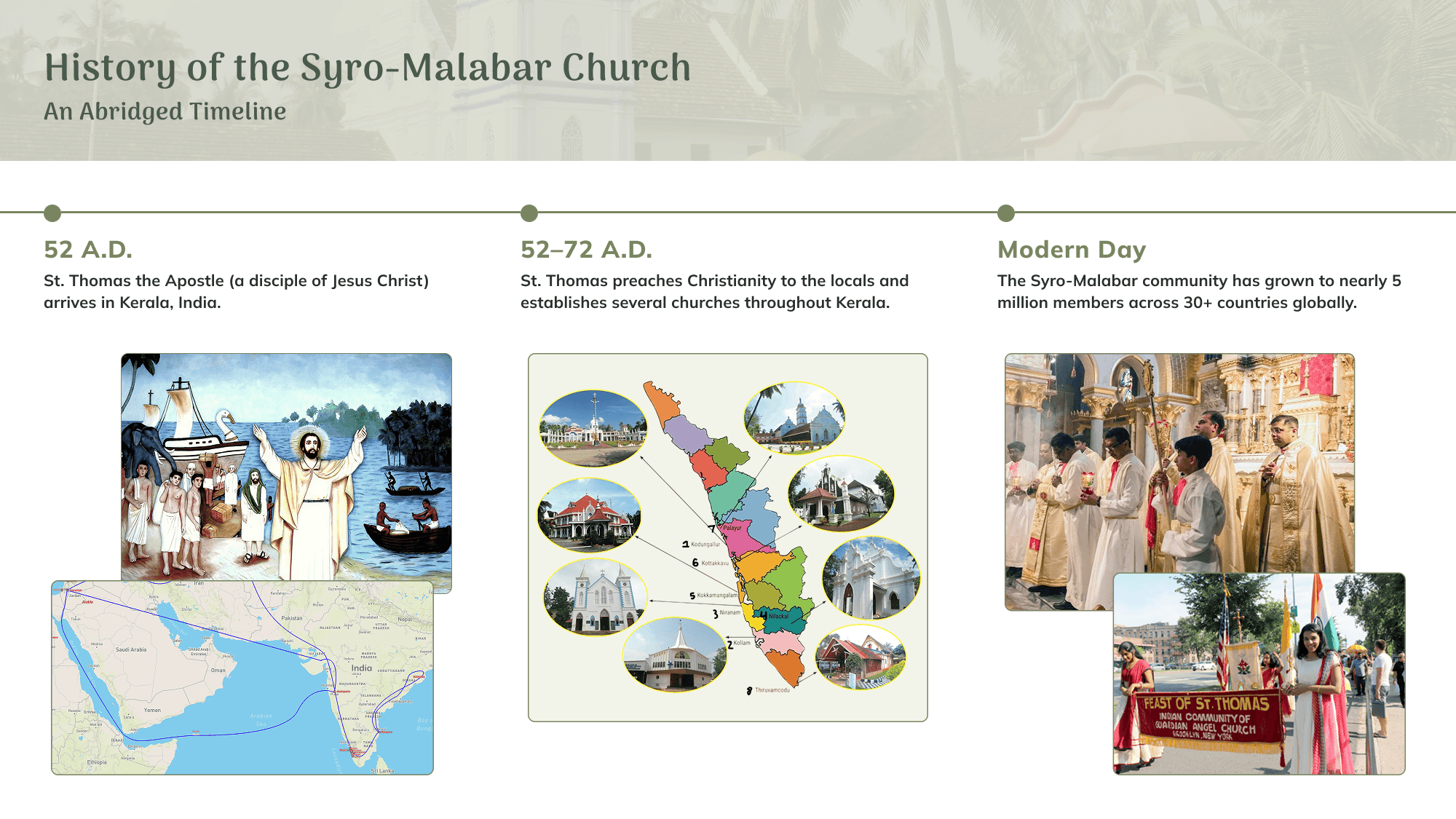
The Syro-Malabar Catholic Church is one of the oldest Christian communities in the world, tracing its origins to 52 AD, when St. Thomas arrived in Kerala, India. Part of the larger Roman Catholic Church, the Syro-Malabar church is deeply rooted in Malayalam-speaking South Indian culture–which includes nearly 4.6 million members worldwide today. In the United States alone, we have over 87,000 members across 50 parishes and 34 missions, all led by the St. Thomas Syro-Malabar Catholic Diocese of Chicago.

As a member of Chicago Syro-Malabar Church community myself, even though I am not religious, Syro-Malabar is still part of my cultural identity. So, when my close friend, Sharon (who is a fellow UX/UI Designer and also a very involved member and leader in our Chicago parish) asked me to help redesign the old outdated Chicago Diocese website–which reaches all 87,000+ members across the U.S., I wanted to do my part to help my community come back the long-running decline we had been seeing since the COVID-19 pandemic.

Project Goal

While the Church has deep roots and a devoted membership, the COVID-19 pandemic created a significant disruption to parish life–one that the diocese had not fully recovered from by the time this project began. Like many religious communities nationwide, the Eparchy saw a measurable decline in attendance and active participation in the years following the pandemic. The impact was most pronounced among two key demographics: post-college-aged young adults navigating independent adult life for the first time, and young millennial families with children who had yet to establish strong parish routines.

The goal of this website redesign was to create a digital front door that could meet these audiences where they are–making it easier to find a parish, understand what the Syro-Malabar community offers, and feel genuinely welcomed back. For a church whose identity is so tied to community, culture, and living tradition, the website needed to reflect that warmth and sense of belonging, not just serve as an information repository.

This redesign project focused on the eparchy’s primary website as a key digital touchpoint for the community. The goal was to modernize the online experience and re-establish the website as a central hub for information, engagement, and community connection. By improving accessibility, content organization, and overall aesthetics, the redesigned site aimed to make it easier for parishioners––especially younger generations––to discover events, stay informed about church initiatives, and reconnect with parish life after the pandemic.

THe PROBLEM

Getting complaints from parishioners about the current diocese website:

  • getting complaints that theres no up-to-date info

  • its ugly

  • when theyre searching for something, theyre not getting the info they need

Getting complaints from parishioners about the current diocese website:

  • getting complaints that theres no up-to-date info

  • its ugly

  • when theyre searching for something, theyre not getting the info they need

The Users

The target users of the new website included a variety of people from many backgrounds and walks of life.

  1. The primary audience was expected to be highly involved members of the Syro-Malabar U.S.A. church.

  2. The secondary audience was less-involved members who were curious about potentially coming back to participate in the community again.

  3. The last set of target audience members included anyone outside of the Syro Malabar church who happened to stumble across our digital channels, and wanted to learn more about our history and culture.

Before & After

Phase 1

Discover

Requirements & Key Objectives

Requirements:
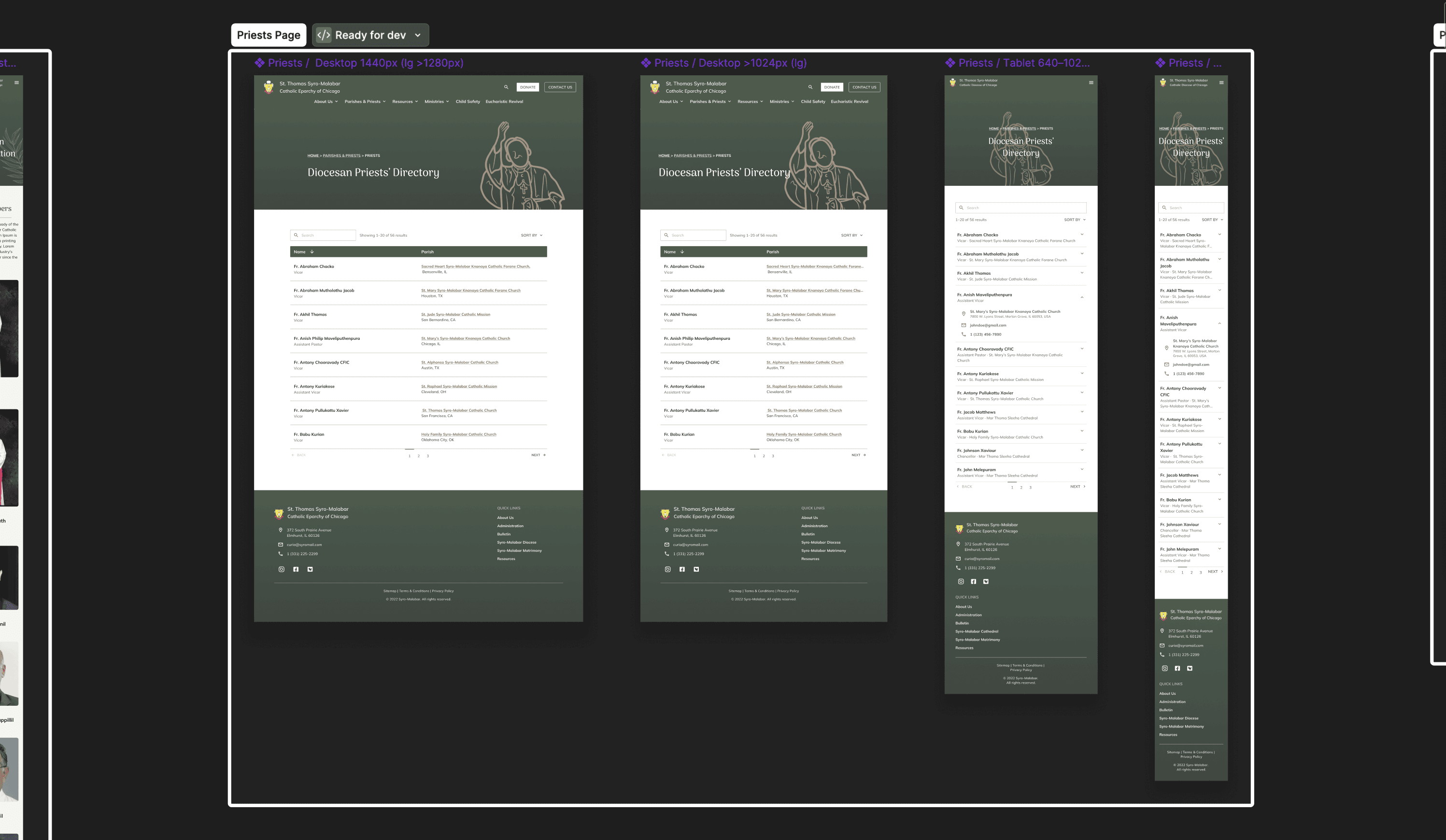
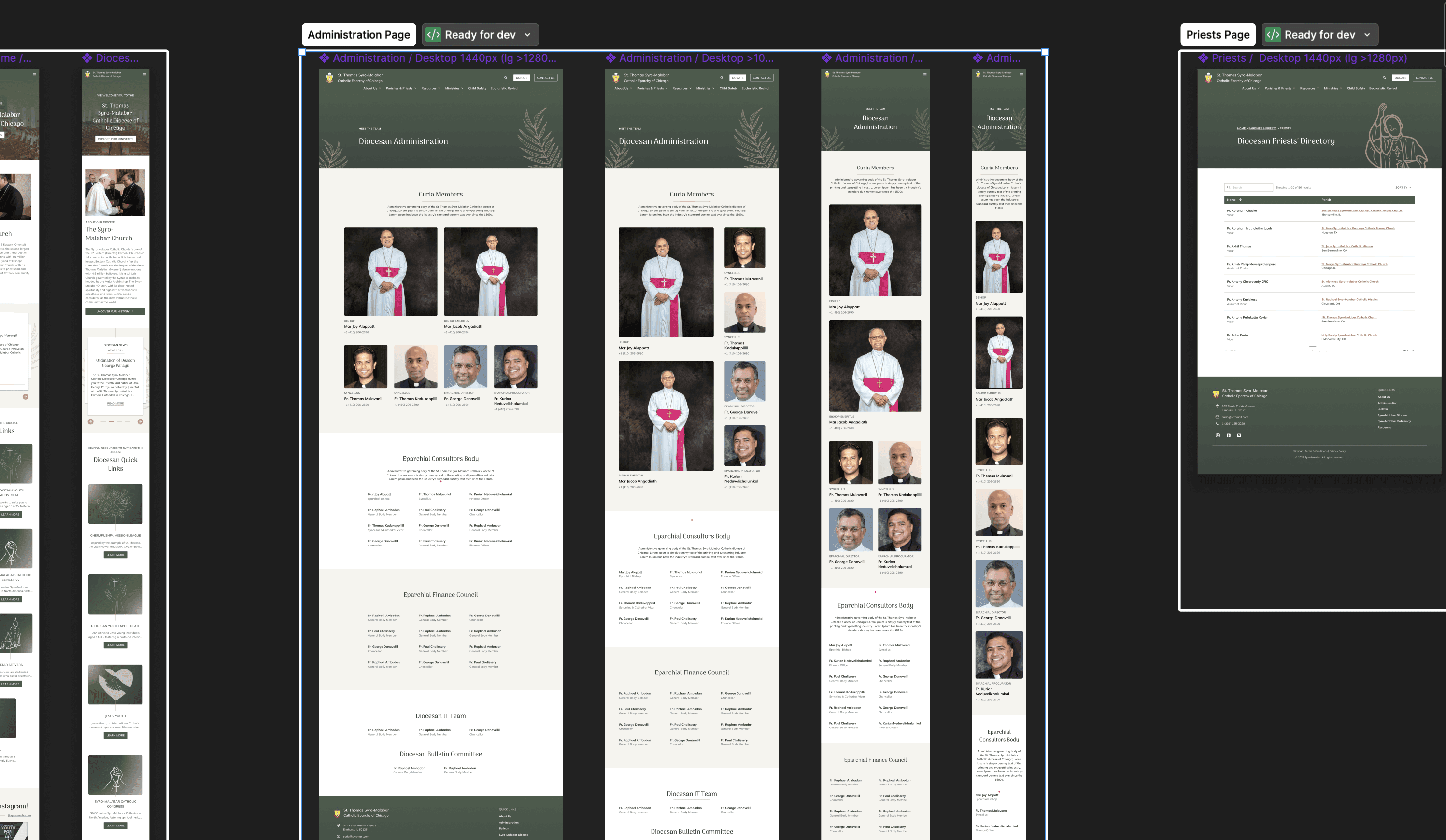
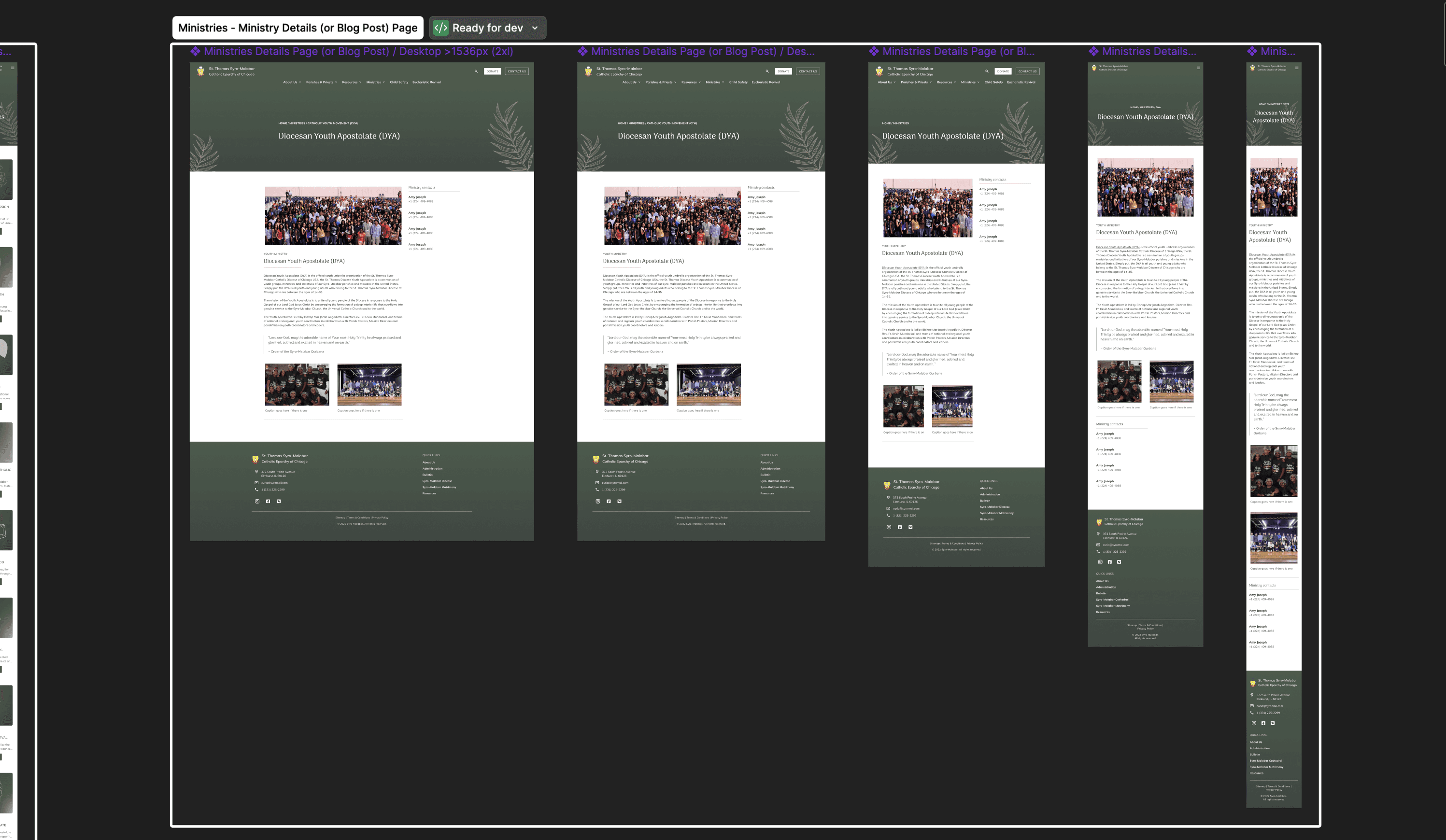
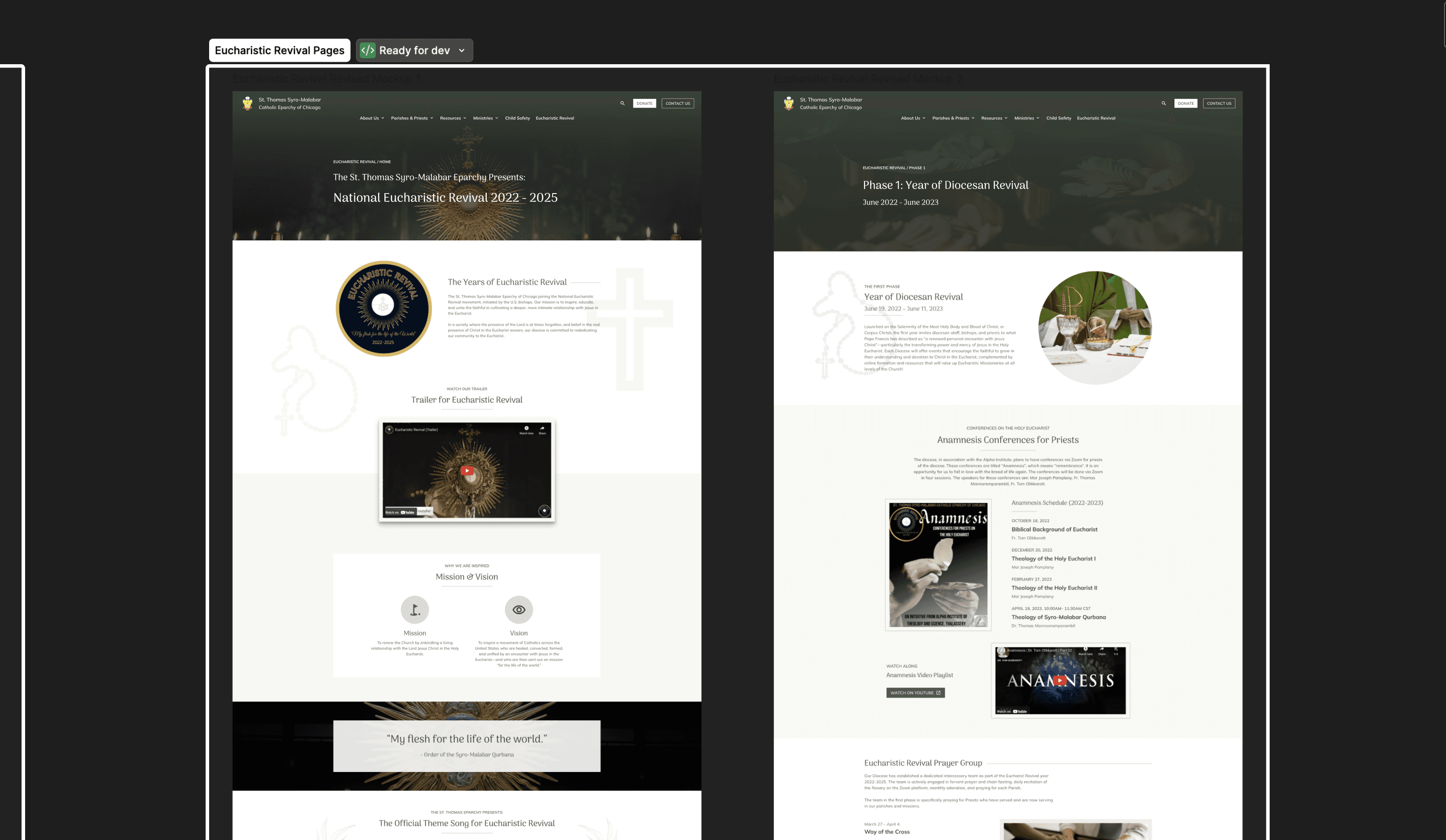
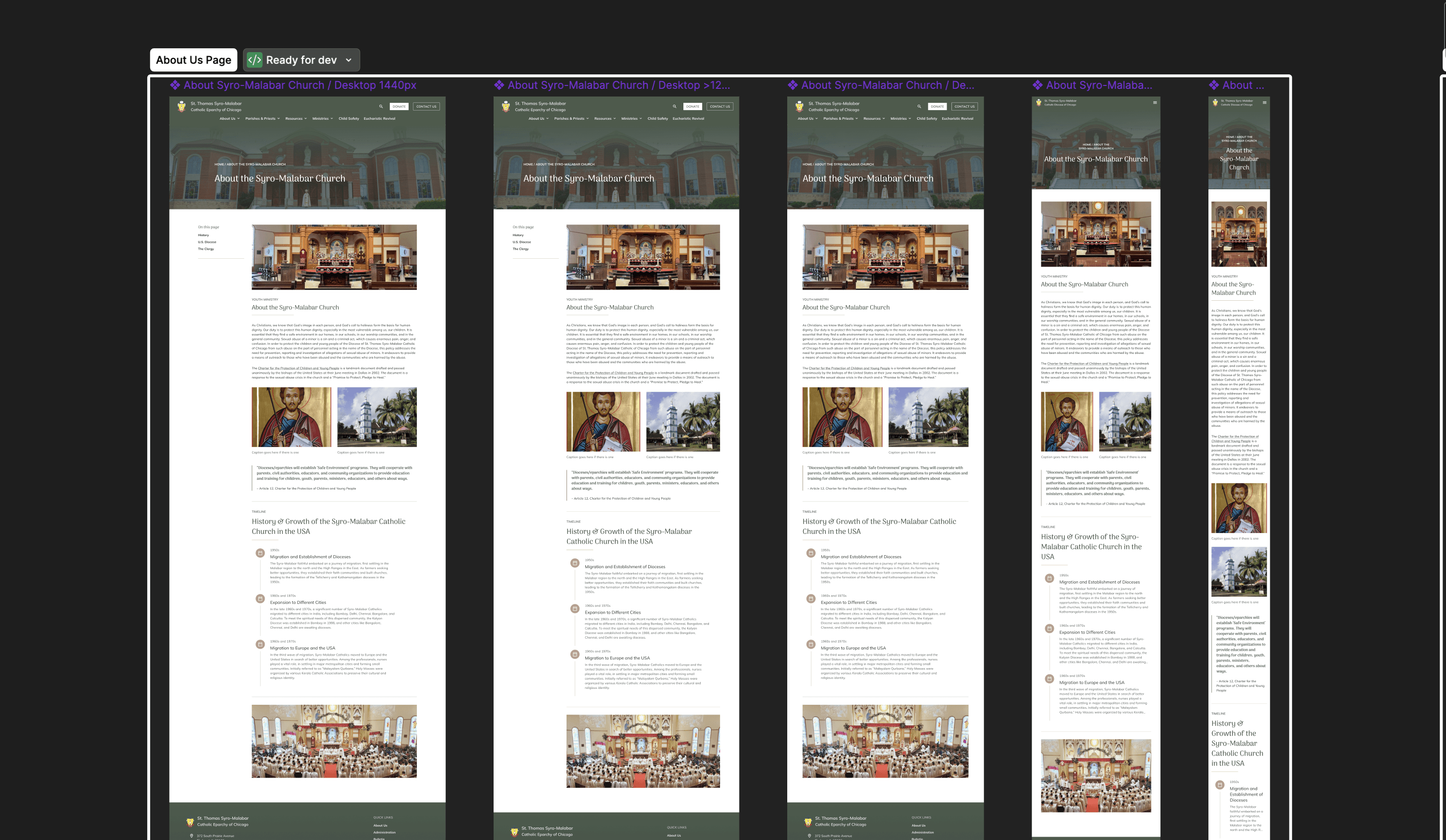
  1. Do a full, end-to-end redesign of the Syro-Malabar Diocese of Chicago's website:

  2. Define a distinct brand identity for the Diocese website. Make sure people can easily distinguish between this website for the Chicago diocese, and the separate website for the local Chicago parish website*

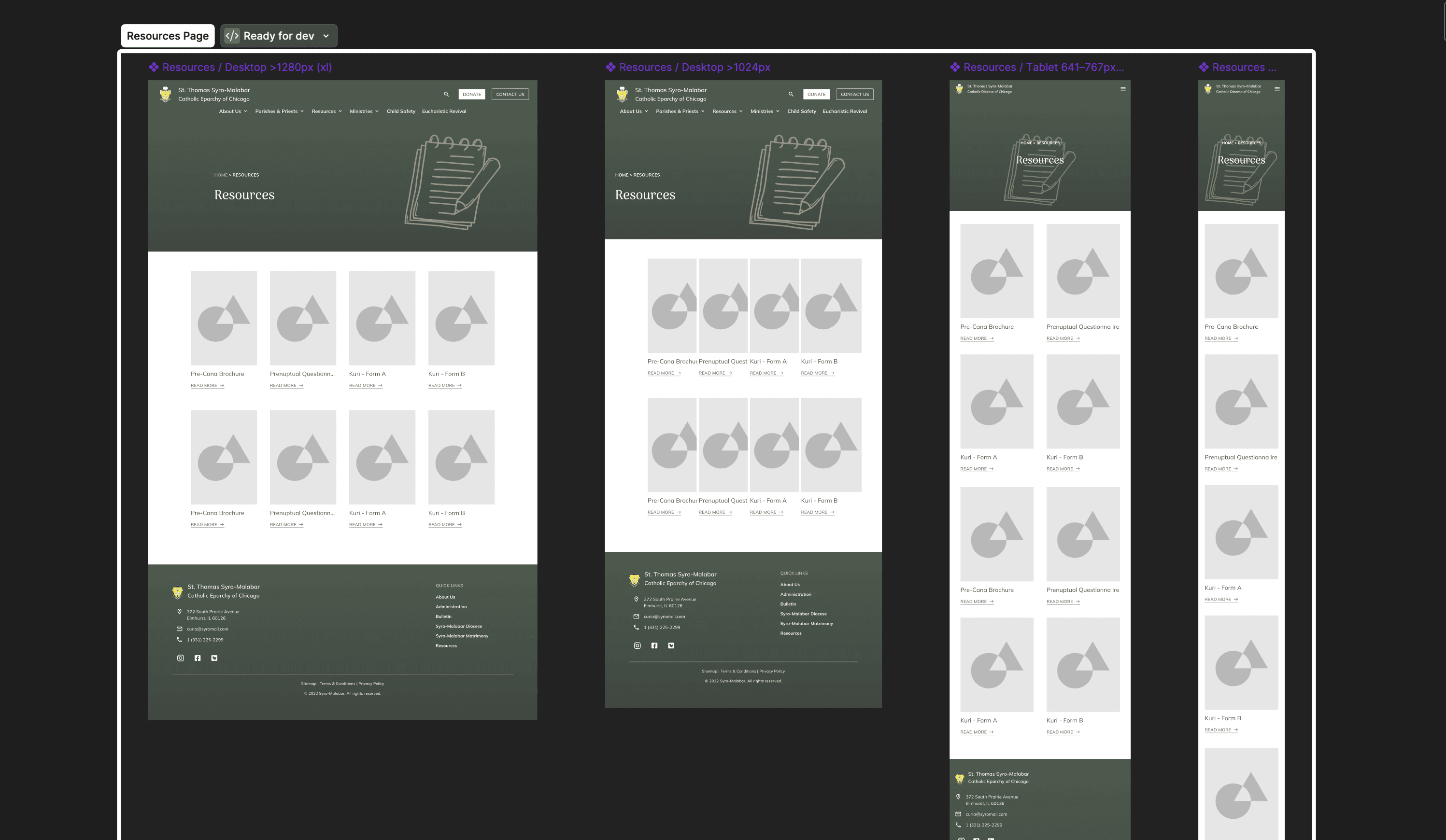
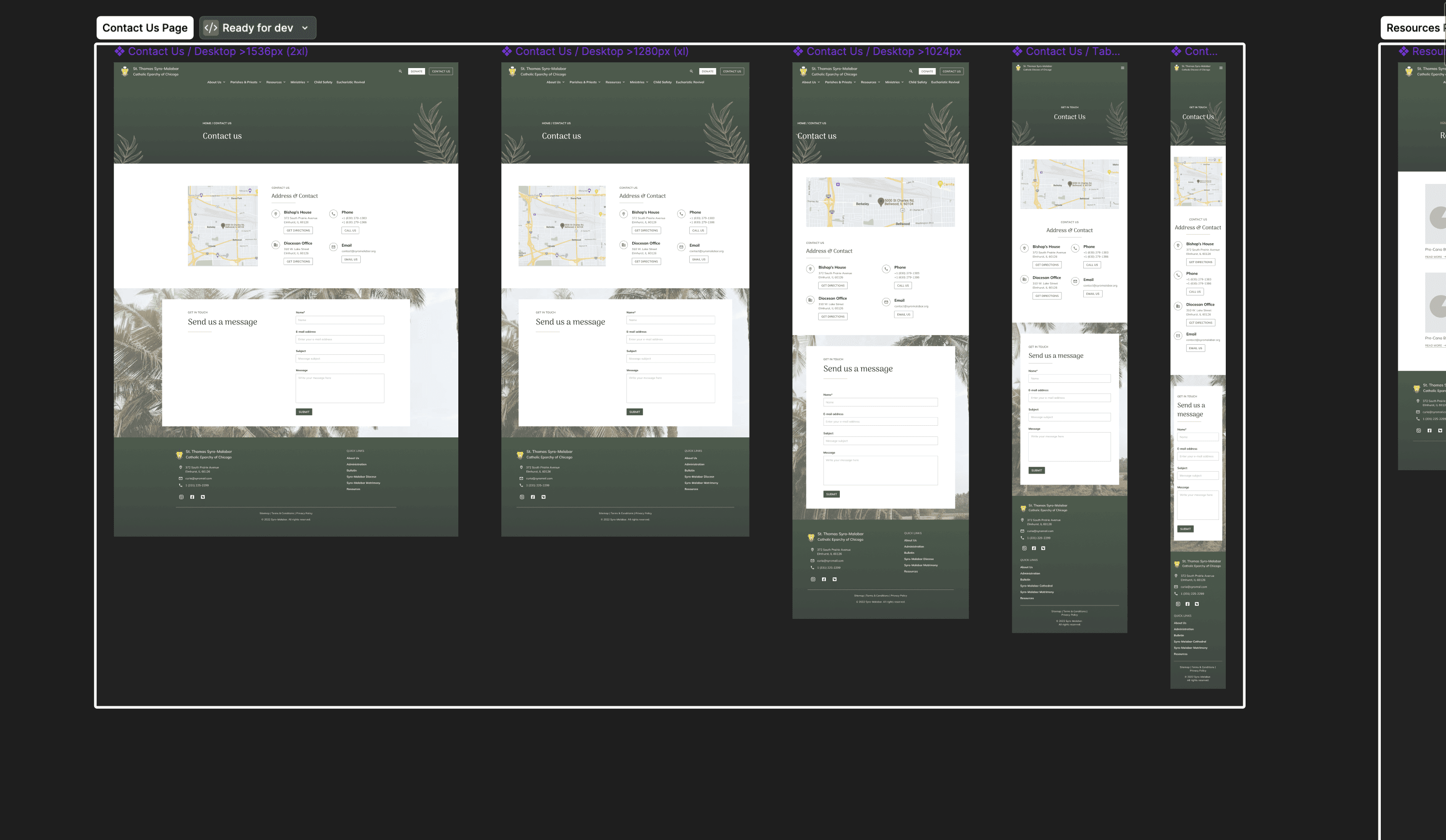
  3. Improve the information architecture of the siteMake resources and information easier to find.

*Whereas this Chicago Diocese website would be for the entire U.S. church including all of its parishes, the Chicago Cathedral website was specifically for the Chicagoland community itself.


Key Objectives:

The overall objectives were simple: make it easier to understand what the Syro-Malabar church is, what the community offers, and make less involved members feel genuinely welcomed back.

  1. Improve how we present our church's identity, history, and community–to parishioners and the public alike.

  2. Create a more interconnected web between various Syro-Malabar parishes' websites and online channels.

  3. Connect with youth: increase interest and value-ship.

  4. Improve overall findability and discoverability of information and prayer resources.

  5. Make it easier for community leaders/representatives to submit and publish content onto the website.

Surveys

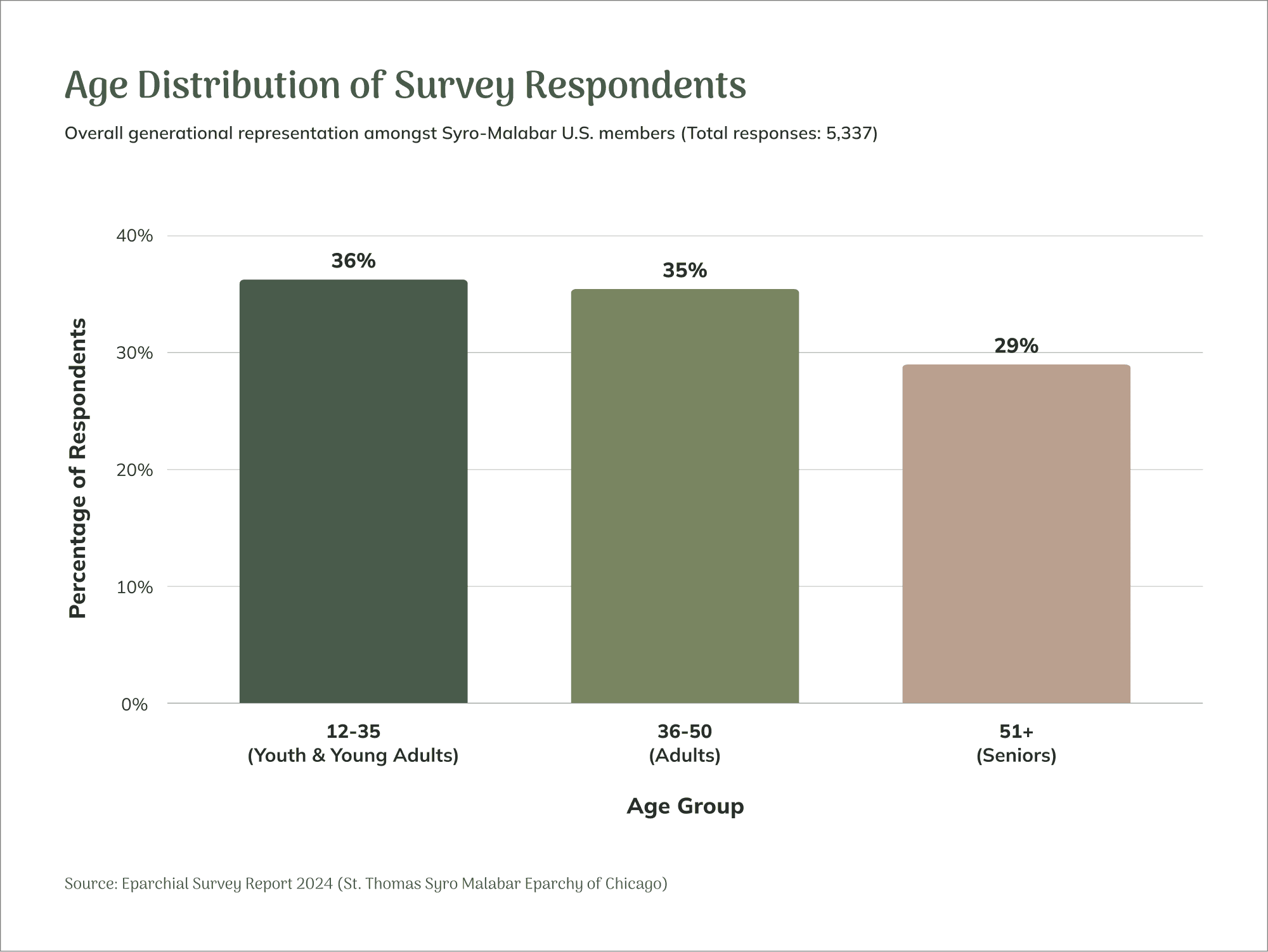
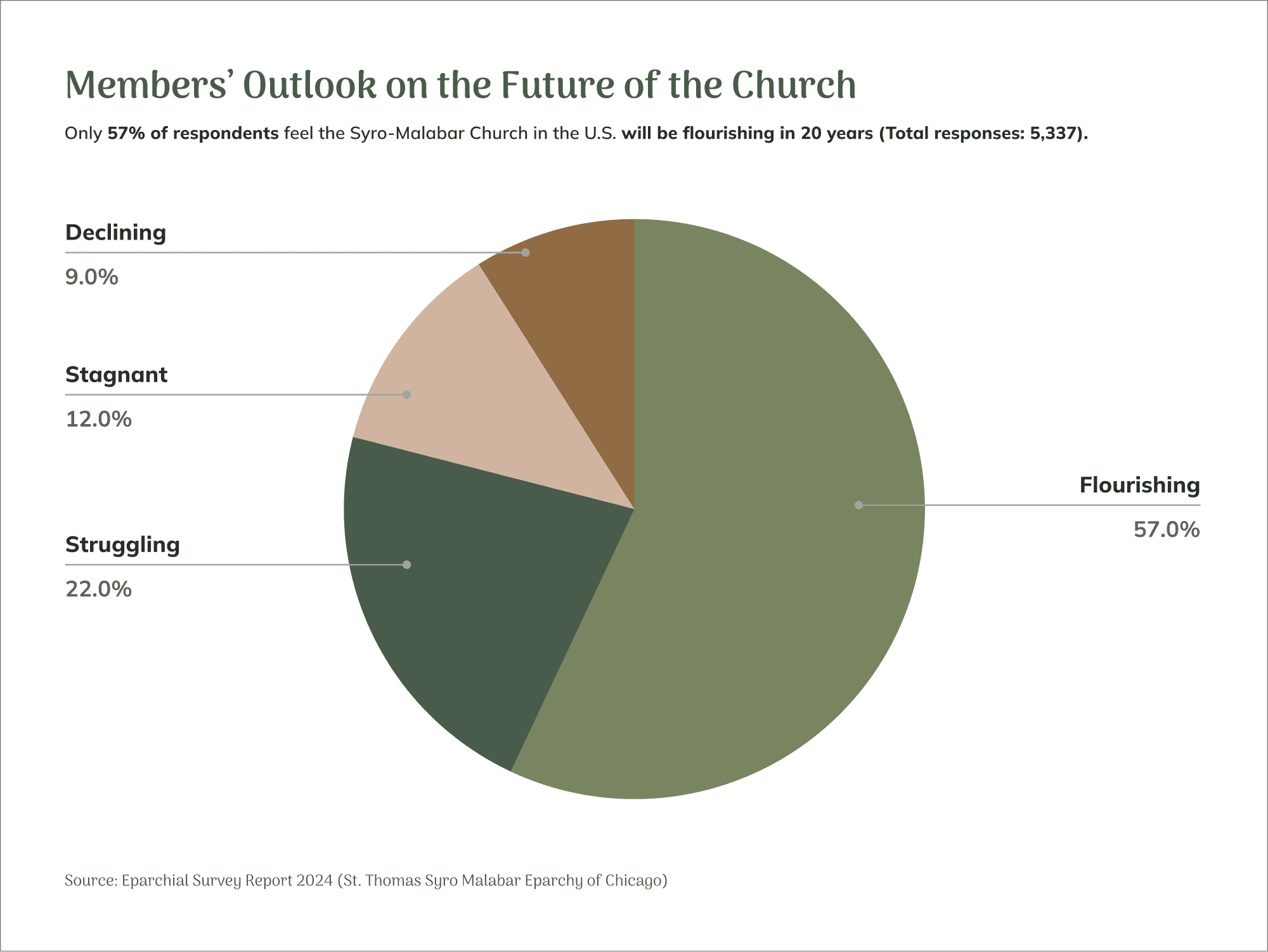
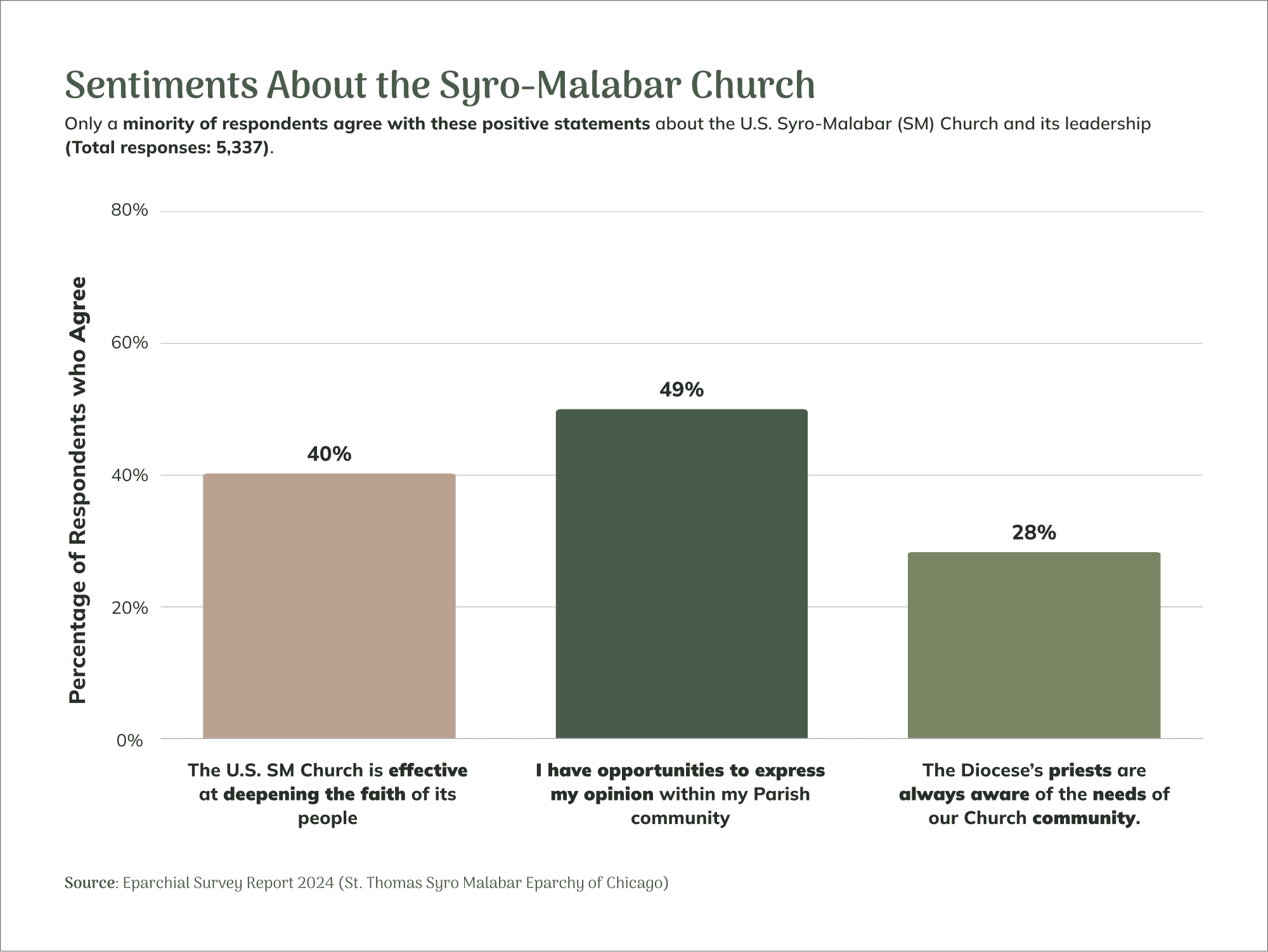
To better understand the needs of our ever-evolving community, the Syro-Malabar Catholic Eparchy of Chicago conducted a nationwide survey in 2024. The survey received 5,337 responses, spanning 85 parishes and missions across the whole U.S.

Several key themes emerged from the results, which directly informed our strategy for the diocese's new website design:


1. Younger generations were disengaging from parish life

A major concern identified in the survey was declining engagement among young adults and post-college parishioners.

  • Many respondents noted that youth often disengage after completing the Sunday School CCD programs in high school.

  • Need for more youth-focused programs, mentorship opportunities, and leadership roles.

  • The most frequently cited priority for the diocese was finding more effective ways to attract and engage young adults.

Design Takeaway:
  • Create digital pathways that help younger members easily discover ministries, events, and opportunities to stay involved in parish life.


2. Parishioners wanted clearer communication and transparency from leadership.

The survey revealed a strong desire for better top-down communication from the diocese's leadership.

Respondents requested:

  • More regular updates about diocesan initiatives

  • more accessible announcements and newsletters

  • greater transparency about major decisions and eparchial finances

  • Better channels for having a dialog with leadership

Design Takeaway:
  • Position the diocese website as a central hub for leadership updates, news, and other official information.


3. Important resources and events were difficult to discover

Parishioners expressed a need for easier access to information and faith resources, including:

  • prayer resources and devotional materials

  • faith formation and catechism resources

  • parish and diocesan events

  • educational content explaining church traditions

Design Takeaway:
  • Improve information architecture and navigation so that parishioners can quickly locate resources, events, and educational materials.


Key Takeaways

The survey revealed that while the Syro-Malabar community remains deeply rooted in faith and family life, many parishioners—especially younger generations—struggle to stay connected to the church in the U.S. context.

The redesigned website therefore needed to:

  1. Improve discoverability of resources and events

  2. Provide clear communication from leadership

  3. Support faith formation and education

  4. Help reconnect younger parishioners with the broader church community

What We Learned

01.

Younger generations are disengaging from parish life

A major concern identified in the survey was declining engagement among young adults and post-college parishioners.

  • Many respondents noted that youth often disengage after completing the Sunday School CCD programs in high school.

  • Need for more youth-focused programs, mentorship opportunities, and leadership roles.

  • The most frequently cited priority for the diocese was finding more effective ways to attract and engage young adults.

TAKEAWAY: Create digital pathways that help younger members easily discover ministries, events, and opportunities to stay involved in parish life.

02.

03.

Auditing the Old Website


Problems:


Phase 2

Define

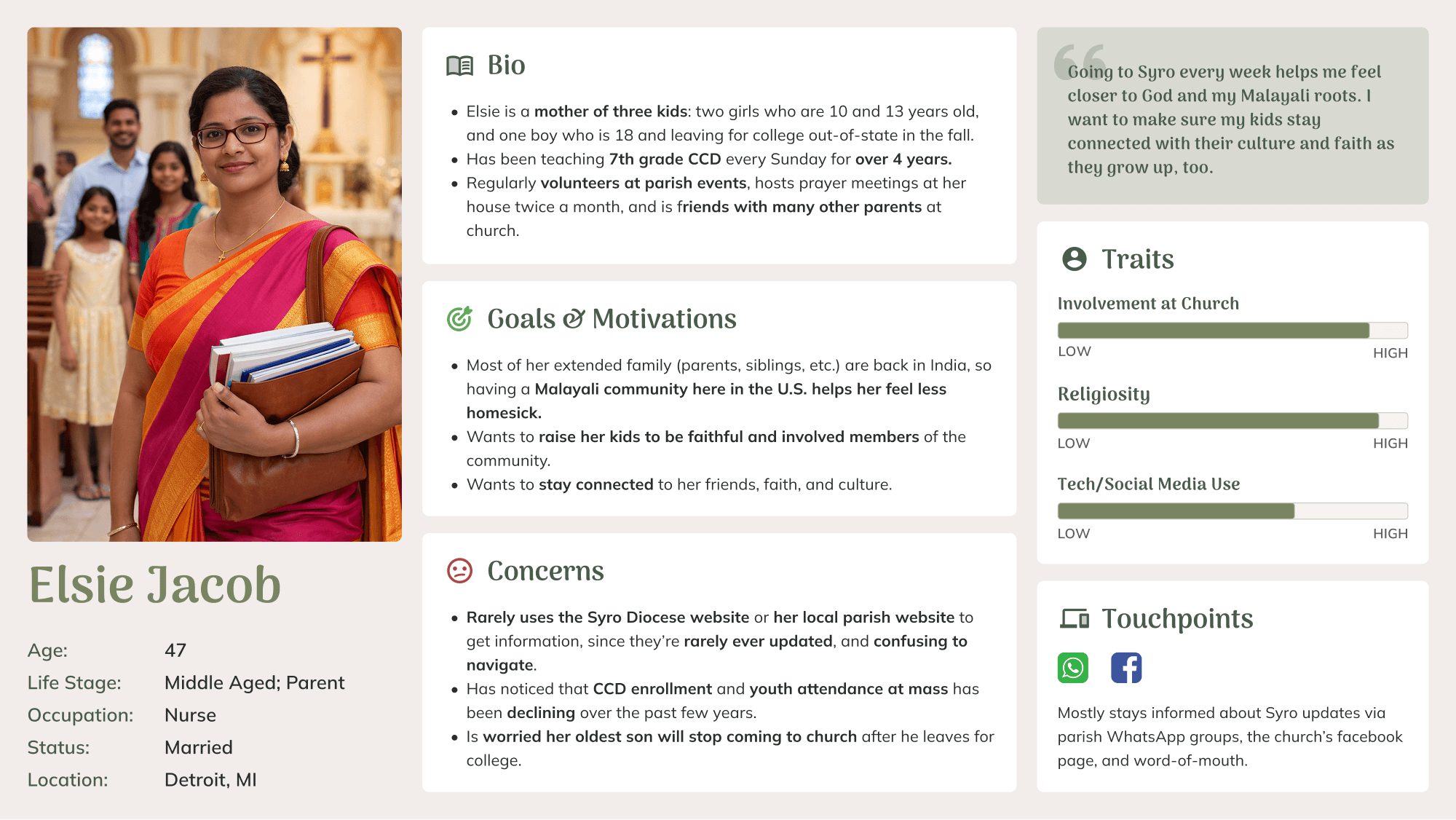
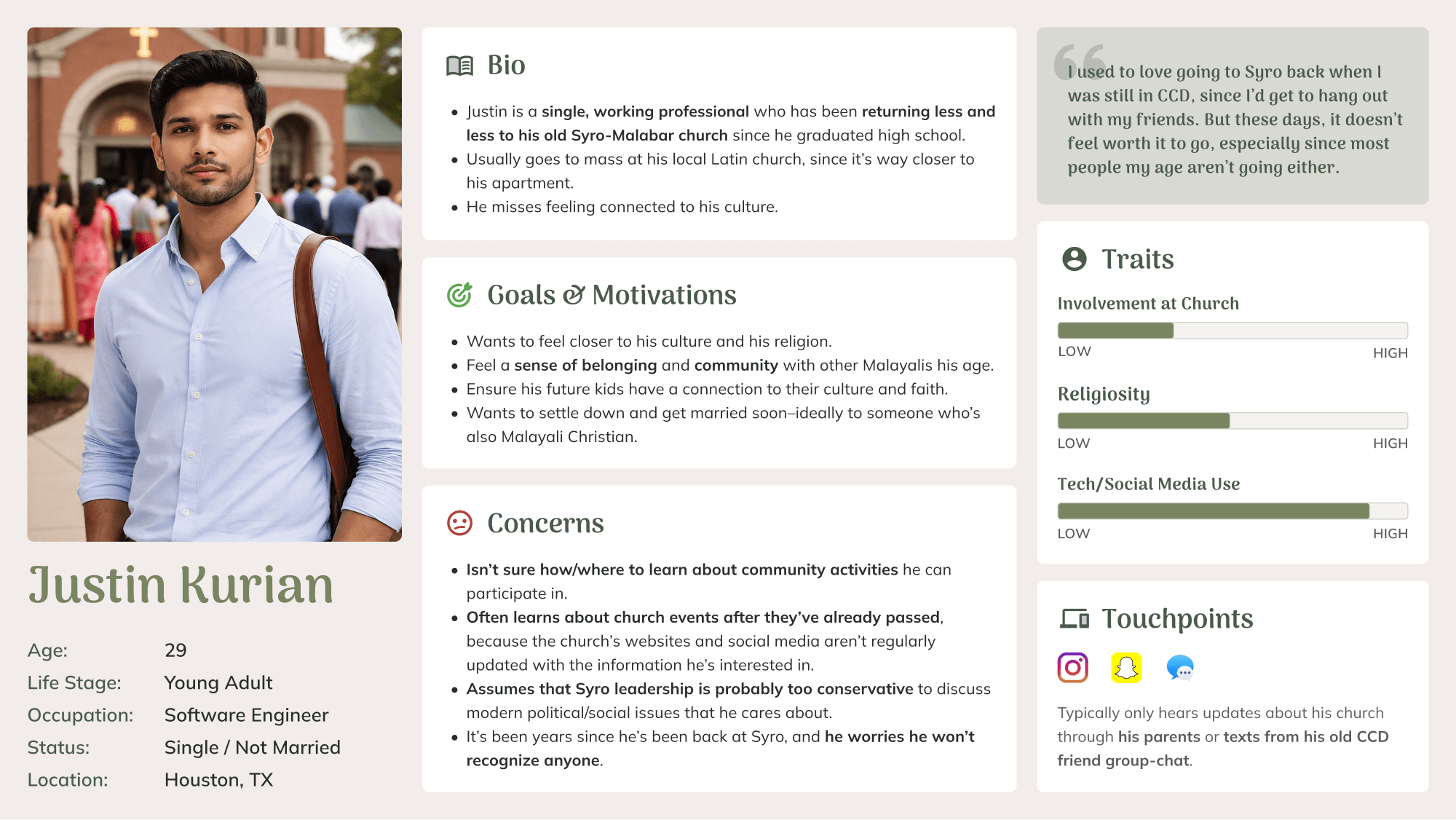
Personas

The target audiences of our website included the following types of people:


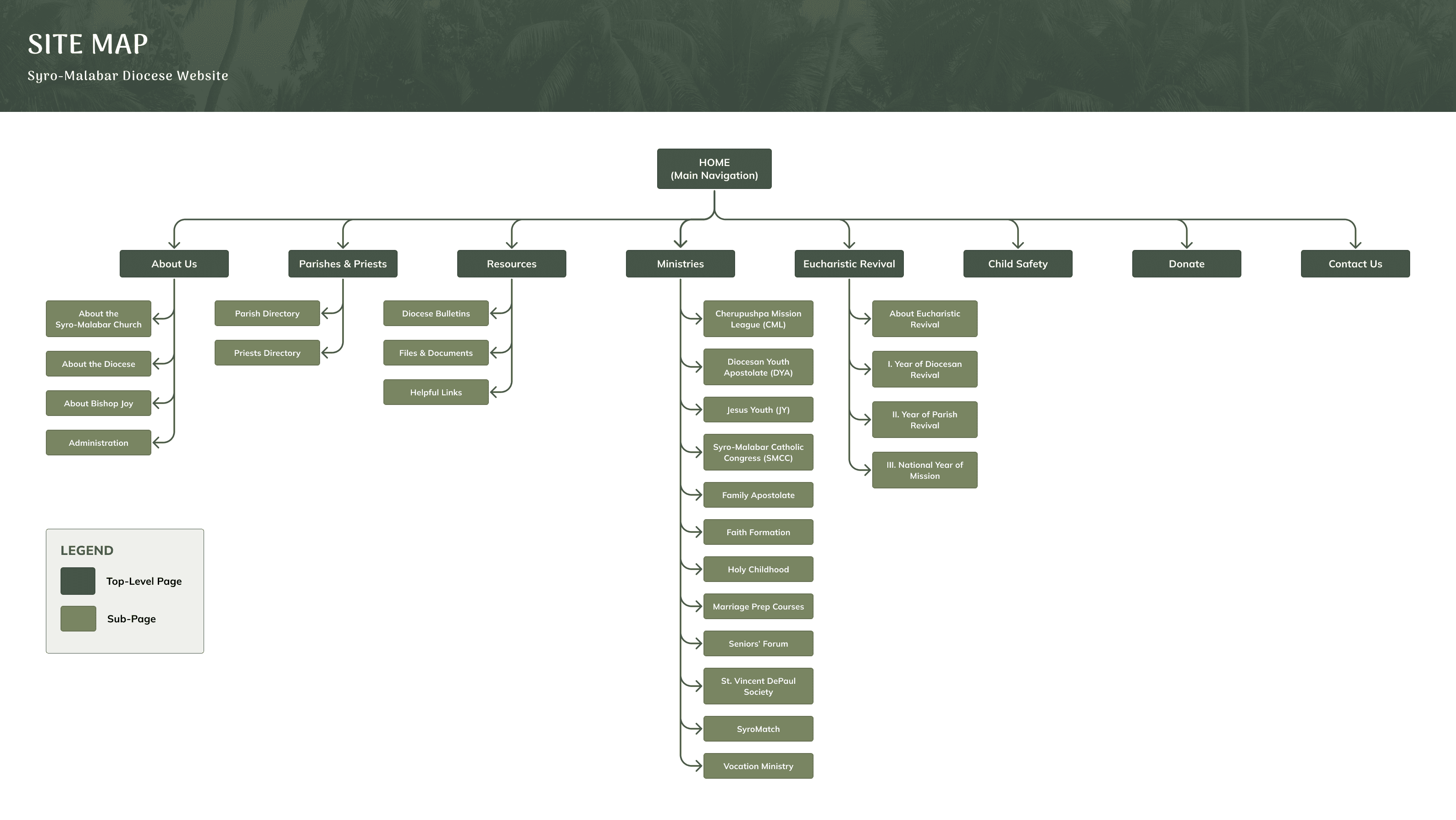
Site Map

We created a site map to define the information architecture of the new website.

Phase 3

Design

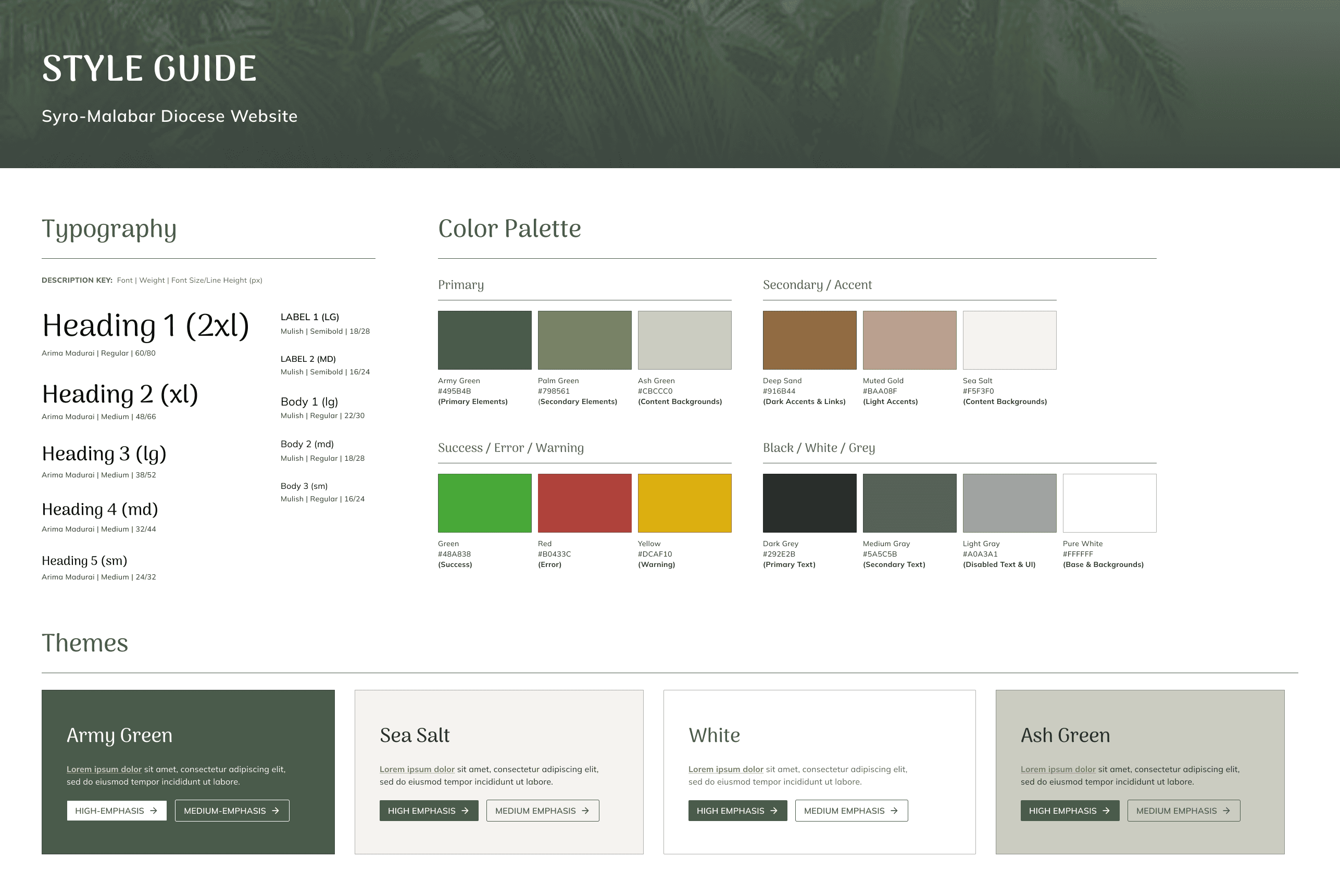
Style Guide

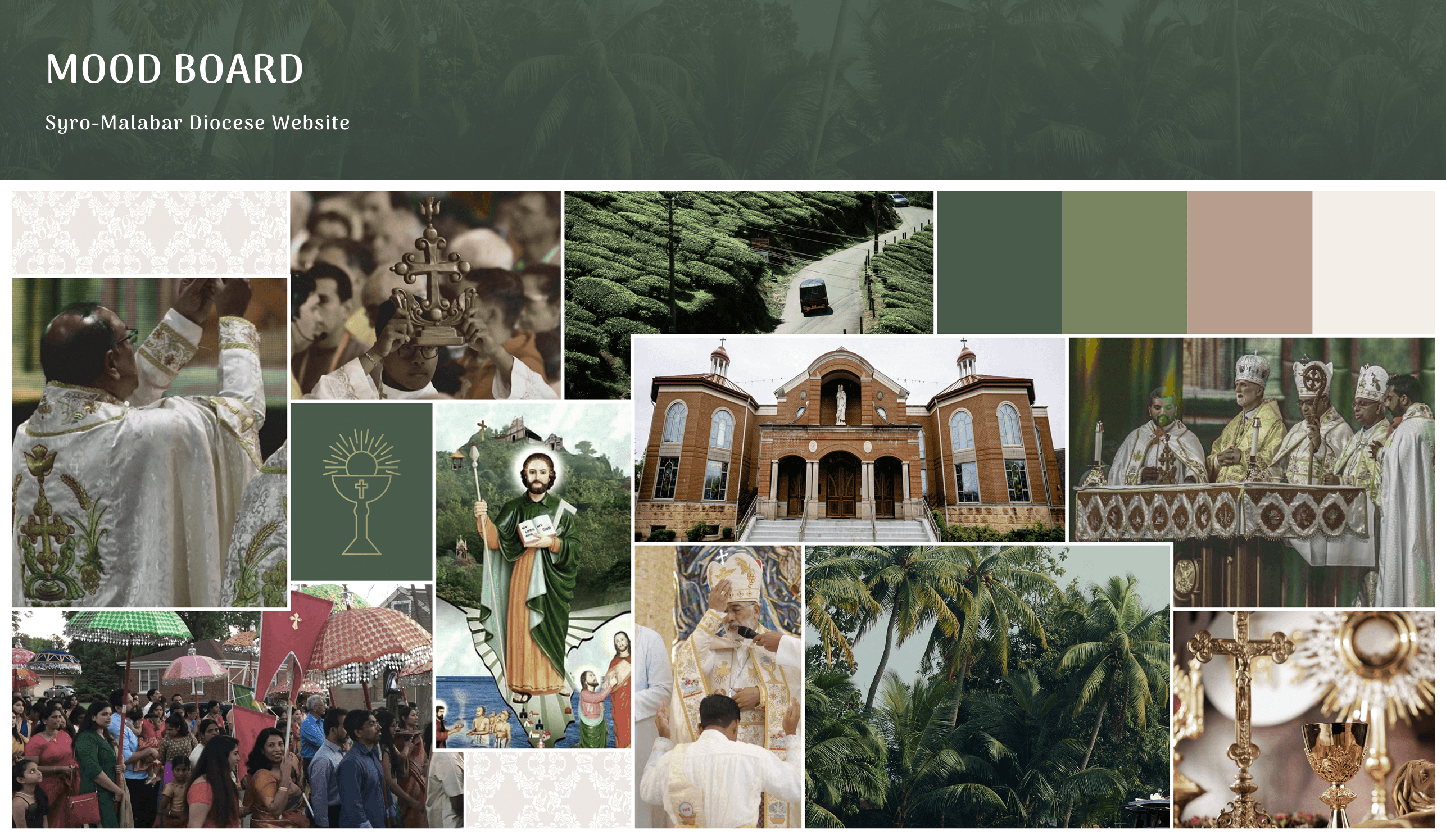
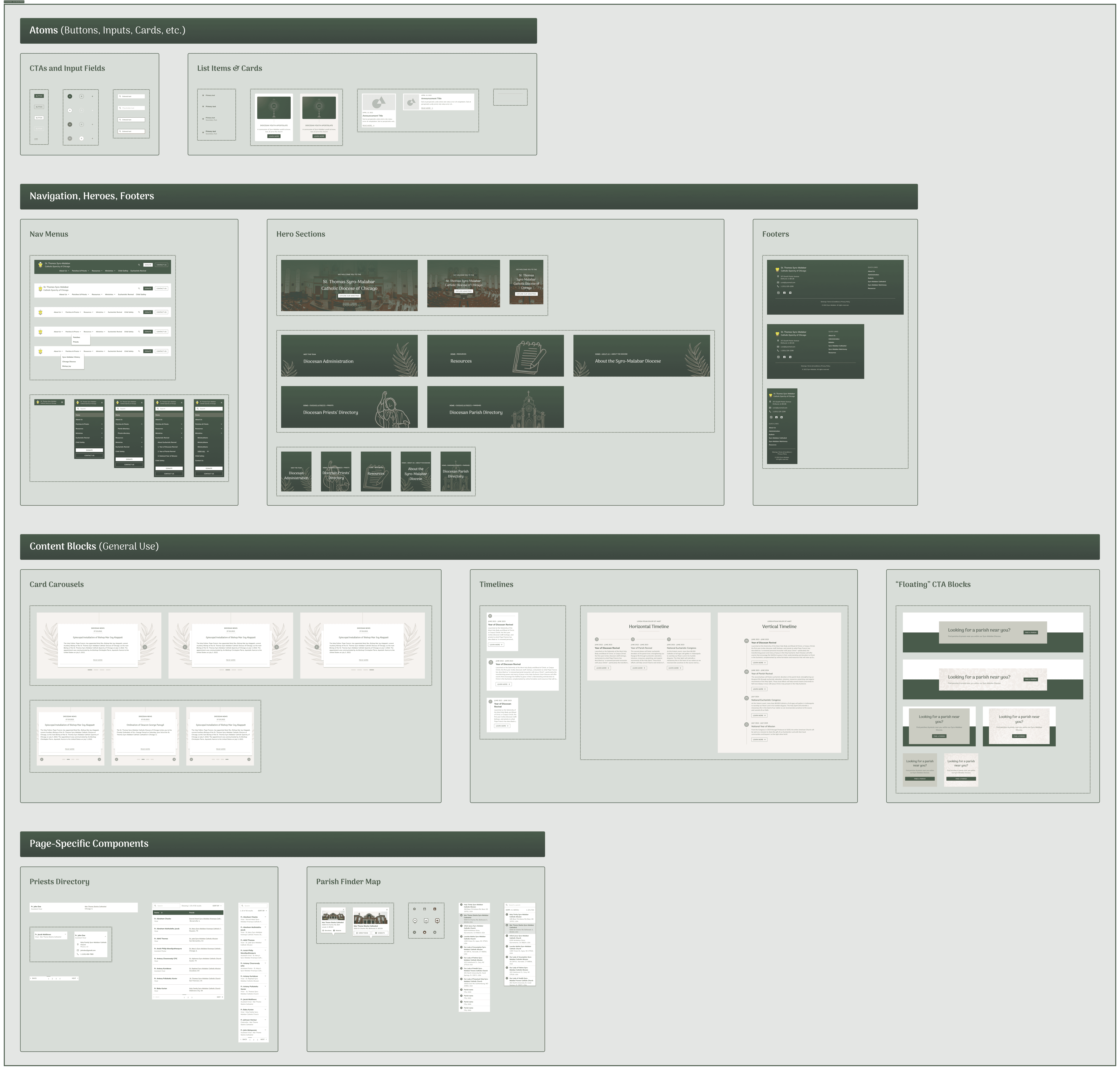
We defined the branding of the site.

Phase 4

Test & Iterate

0%

0%

0%

0%

Average SUS Score

0

0

Phase 5

Deliver

Reflections & Next Steps

Overview
What is the Syro-Malabar Catholic Eparchy?

The Syro-Malabar Catholic Church is one of the oldest Christian communities in the world, tracing its origins to 52 AD, when St. Thomas arrived in Kerala, India. Part of the larger Roman Catholic Church, the Syro-Malabar church is deeply rooted in Malayalam-speaking South Indian culturewhich includes nearly 4.6 million members worldwide today. In the United States alone, we have over 87,000 members across 50 parishes and 34 missions, all led by the St. Thomas Syro-Malabar Catholic Diocese of Chicago.

As a member of Chicago Syro-Malabar Church community myself, even though I am not religious, Syro-Malabar is still part of my cultural identity. So, when my close friend, Sharon (who is a fellow UX/UI Designer and also a very involved member and leader in our Chicago parish) asked me to help redesign the old outdated Chicago Diocese websitewhich reaches all 87,000+ members across the U.S., I wanted to do my part to help my community come back the long-running decline we had been seeing since the COVID-19 pandemic.

Project Goal

While the Church has deep roots and a devoted membership, the COVID-19 pandemic created a significant disruption to parish lifeone that the diocese had not fully recovered from by the time this project began. Like many religious communities nationwide, the Eparchy saw a measurable decline in attendance and active participation in the years following the pandemic. The impact was most pronounced among two key demographics: post-college-aged young adults navigating independent adult life for the first time, and young millennial families with children who had yet to establish strong parish routines.

The goal of this website redesign was to create a digital front door that could meet these audiences where they aremaking it easier to find a parish, understand what the Syro-Malabar community offers, and feel genuinely welcomed back. For a church whose identity is so tied to community, culture, and living tradition, the website needed to reflect that warmth and sense of belonging, not just serve as an information repository.

This redesign project focused on the eparchys primary website as a key digital touchpoint for the community. The goal was to modernize the online experience and re-establish the website as a central hub for information, engagement, and community connection. By improving accessibility, content organization, and overall aesthetics, the redesigned site aimed to make it easier for parishionersespecially younger generationsto discover events, stay informed about church initiatives, and reconnect with parish life after the pandemic.

What is the Syro-Malabar Catholic Eparchy?

The Syro-Malabar Catholic Church is one of the oldest Christian communities in the world, tracing its origins to 52 AD, when St. Thomas arrived in Kerala, India. Part of the larger Roman Catholic Church, the Syro-Malabar church is deeply rooted in Malayalam-speaking South Indian culturewhich includes nearly 4.6 million members worldwide today. In the United States alone, we have over 87,000 members across 50 parishes and 34 missions, all led by the St. Thomas Syro-Malabar Catholic Diocese of Chicago.

As a member of Chicago Syro-Malabar Church community myself, even though I am not religious, Syro-Malabar is still part of my cultural identity. So, when my close friend, Sharon (who is a fellow UX/UI Designer and also a very involved member and leader in our Chicago parish) asked me to help redesign the old outdated Chicago Diocese websitewhich reaches all 87,000+ members across the U.S., I wanted to do my part to help my community come back the long-running decline we had been seeing since the COVID-19 pandemic.

Project Goal

While the Church has deep roots and a devoted membership, the COVID-19 pandemic created a significant disruption to parish lifeone that the diocese had not fully recovered from by the time this project began. Like many religious communities nationwide, the Eparchy saw a measurable decline in attendance and active participation in the years following the pandemic. The impact was most pronounced among two key demographics: post-college-aged young adults navigating independent adult life for the first time, and young millennial families with children who had yet to establish strong parish routines.

The goal of this website redesign was to create a digital front door that could meet these audiences where they aremaking it easier to find a parish, understand what the Syro-Malabar community offers, and feel genuinely welcomed back. For a church whose identity is so tied to community, culture, and living tradition, the website needed to reflect that warmth and sense of belonging, not just serve as an information repository.

This redesign project focused on the eparchys primary website as a key digital touchpoint for the community. The goal was to modernize the online experience and re-establish the website as a central hub for information, engagement, and community connection. By improving accessibility, content organization, and overall aesthetics, the redesigned site aimed to make it easier for parishionersespecially younger generationsto discover events, stay informed about church initiatives, and reconnect with parish life after the pandemic.

Insight 1

Users avoid using certain filters due to complexity or insufficient context.

Insight 2

Users are requesting multi-selection & “select all” in categorical fields

Insight 3

Users want to use the search bar as an immediate way to filter

Insight 4

Main goal: Identify assets with abnormal data before things escalate.

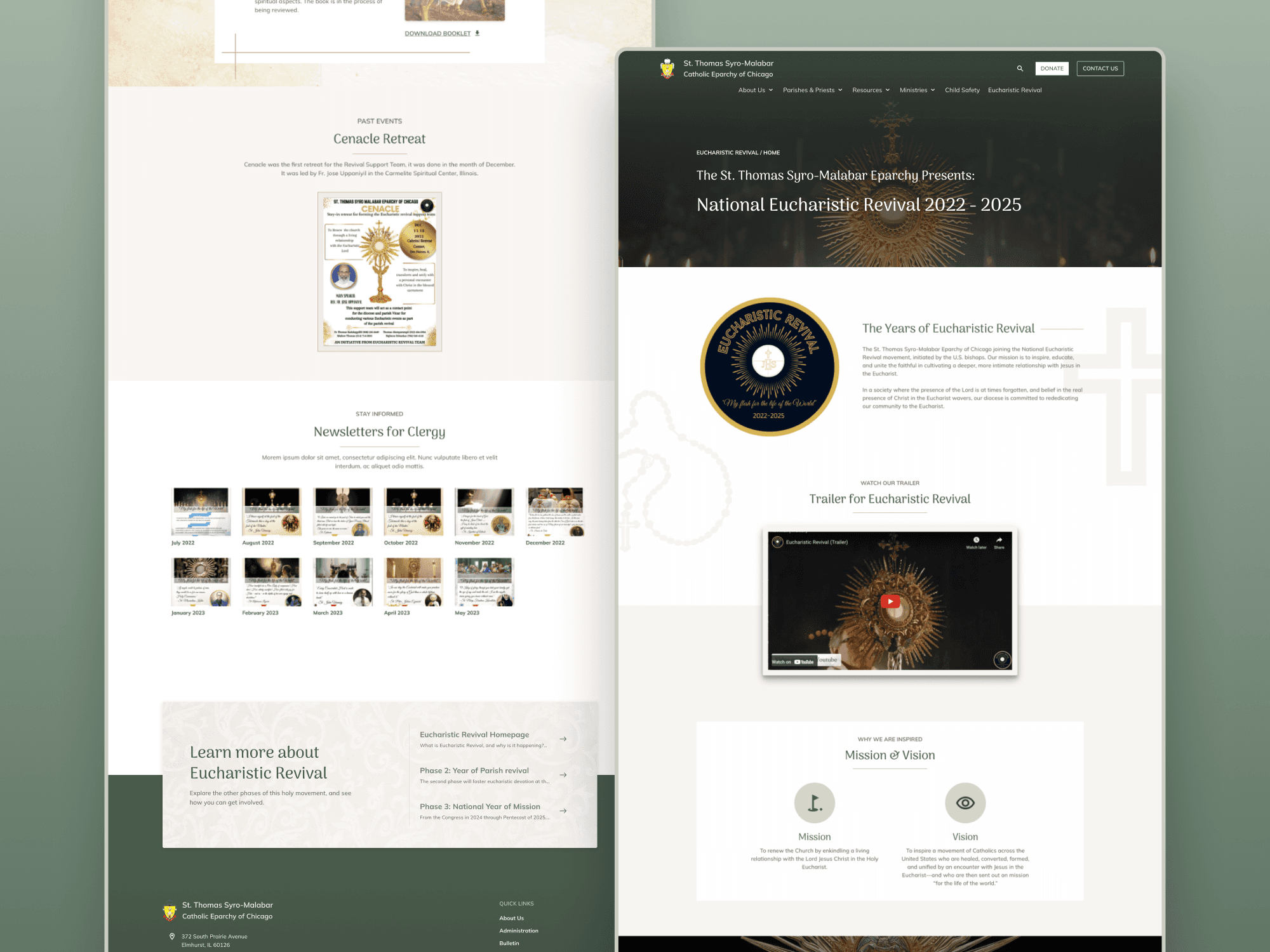
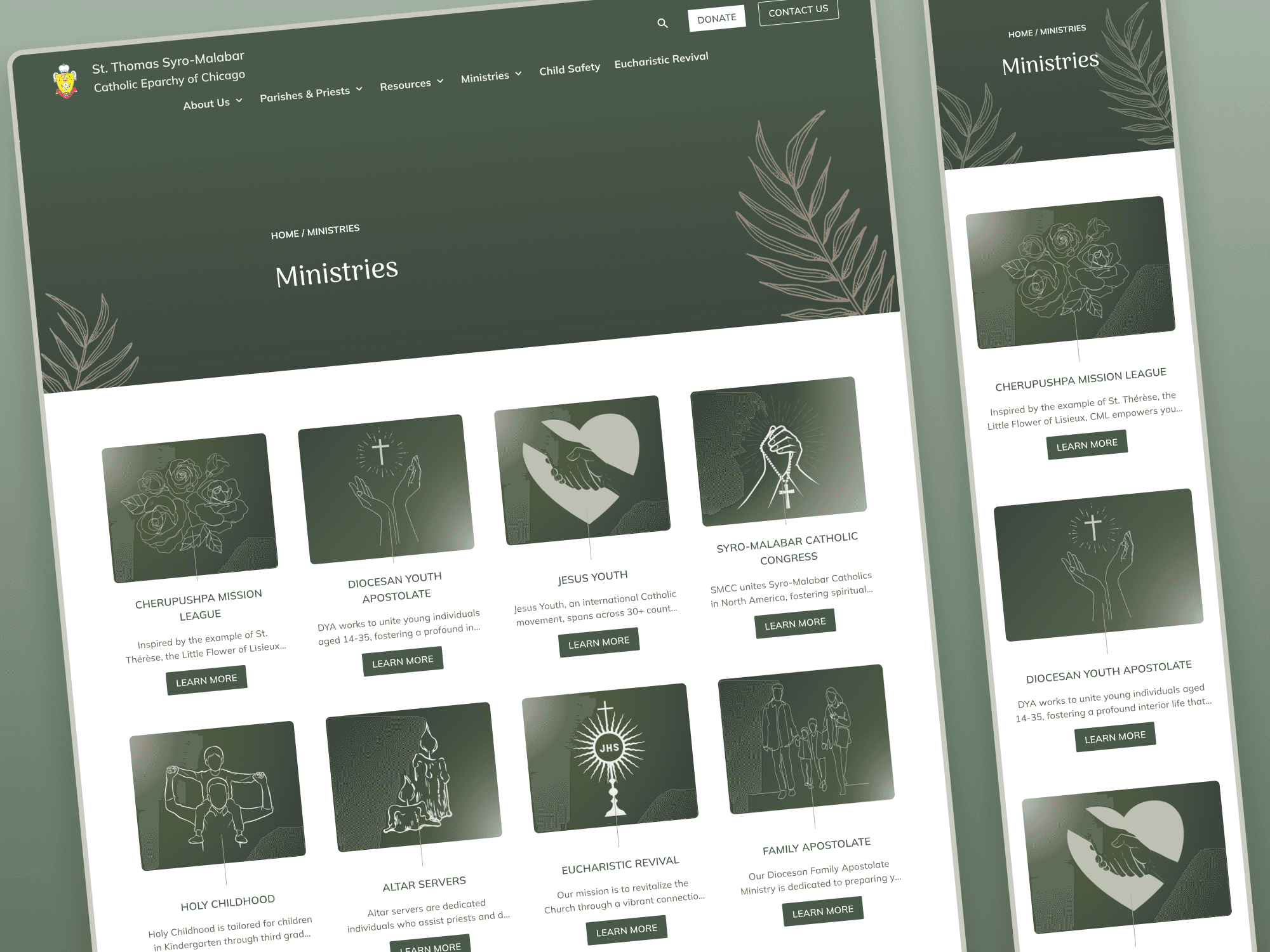
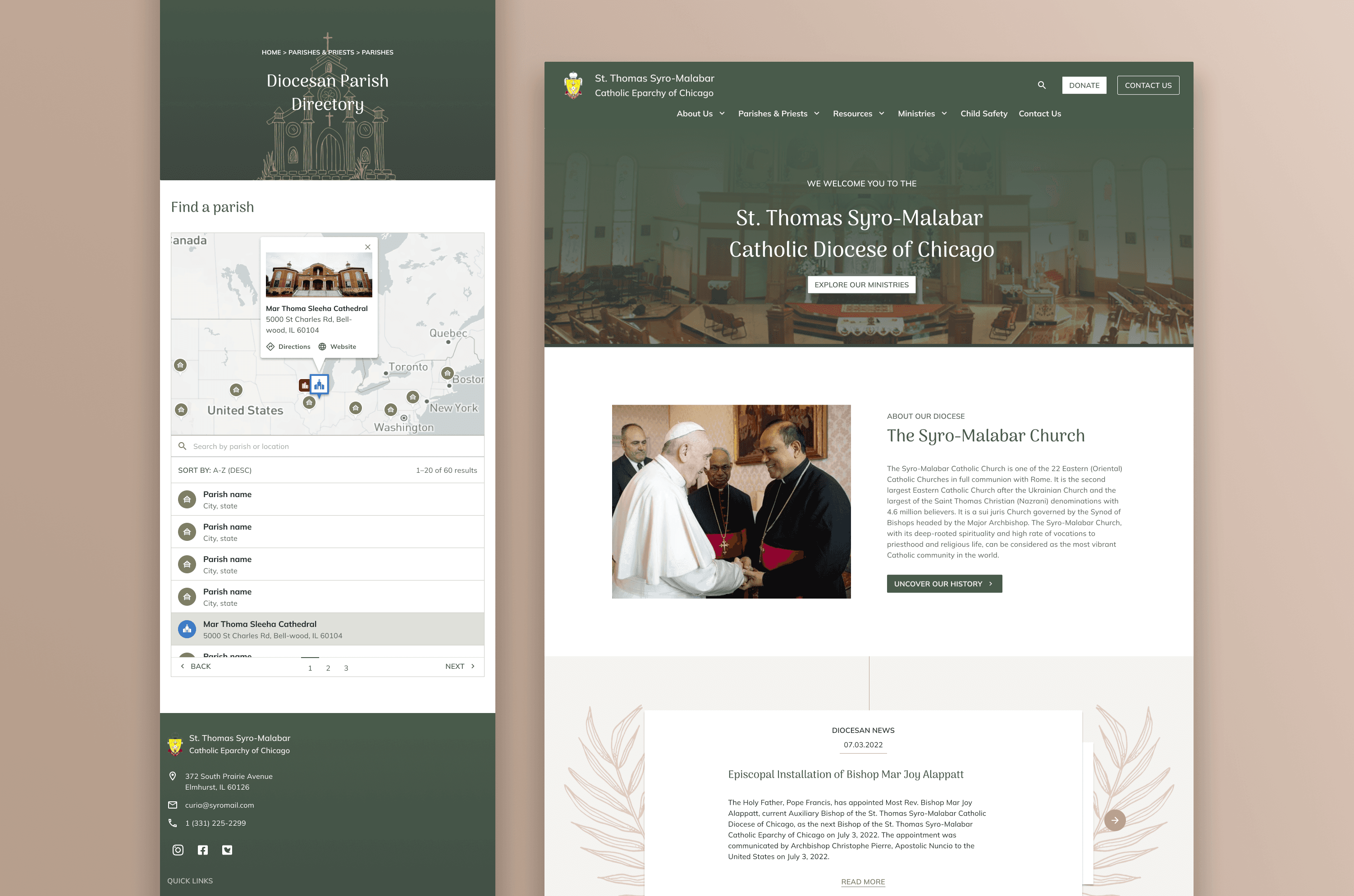
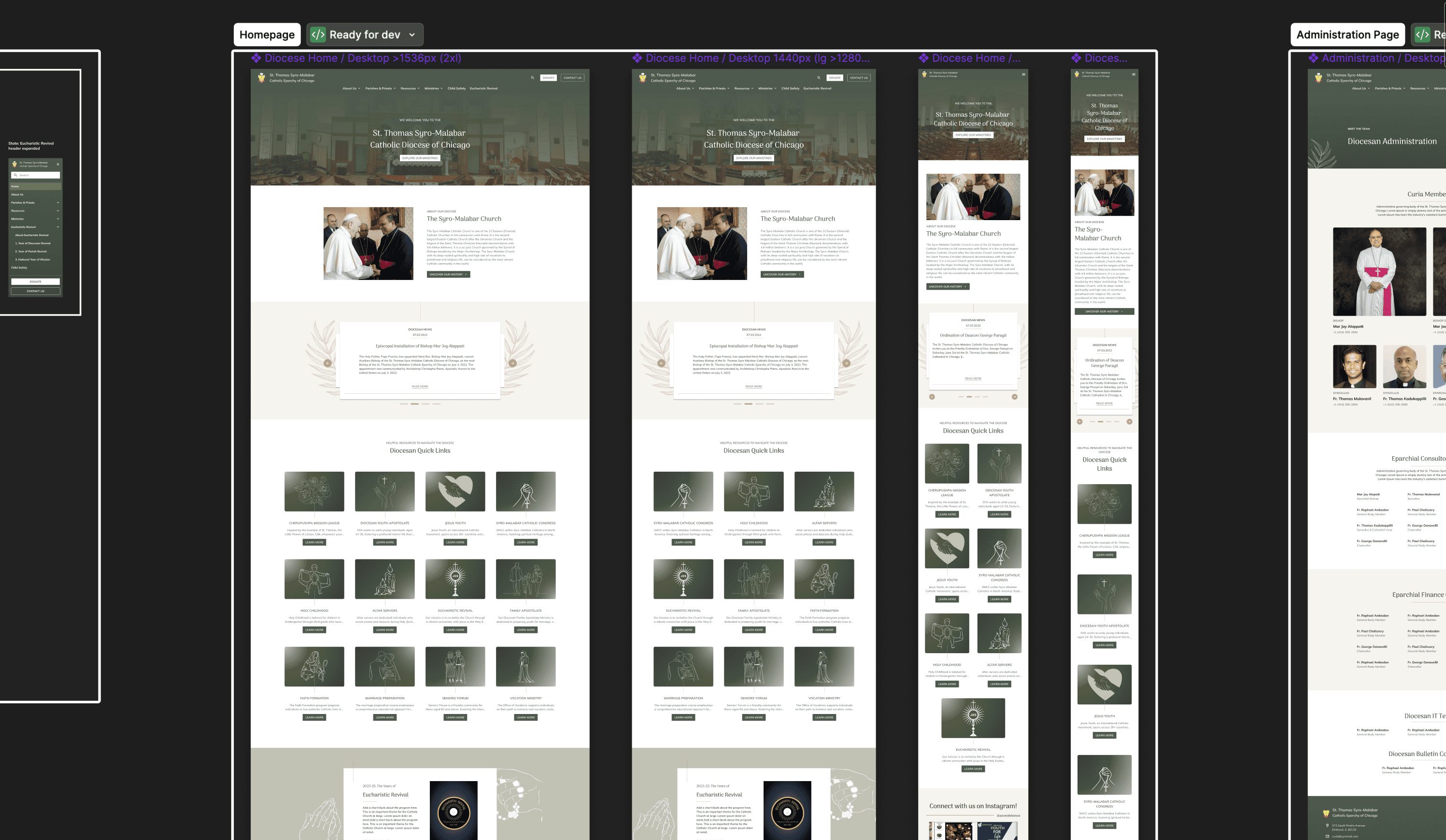
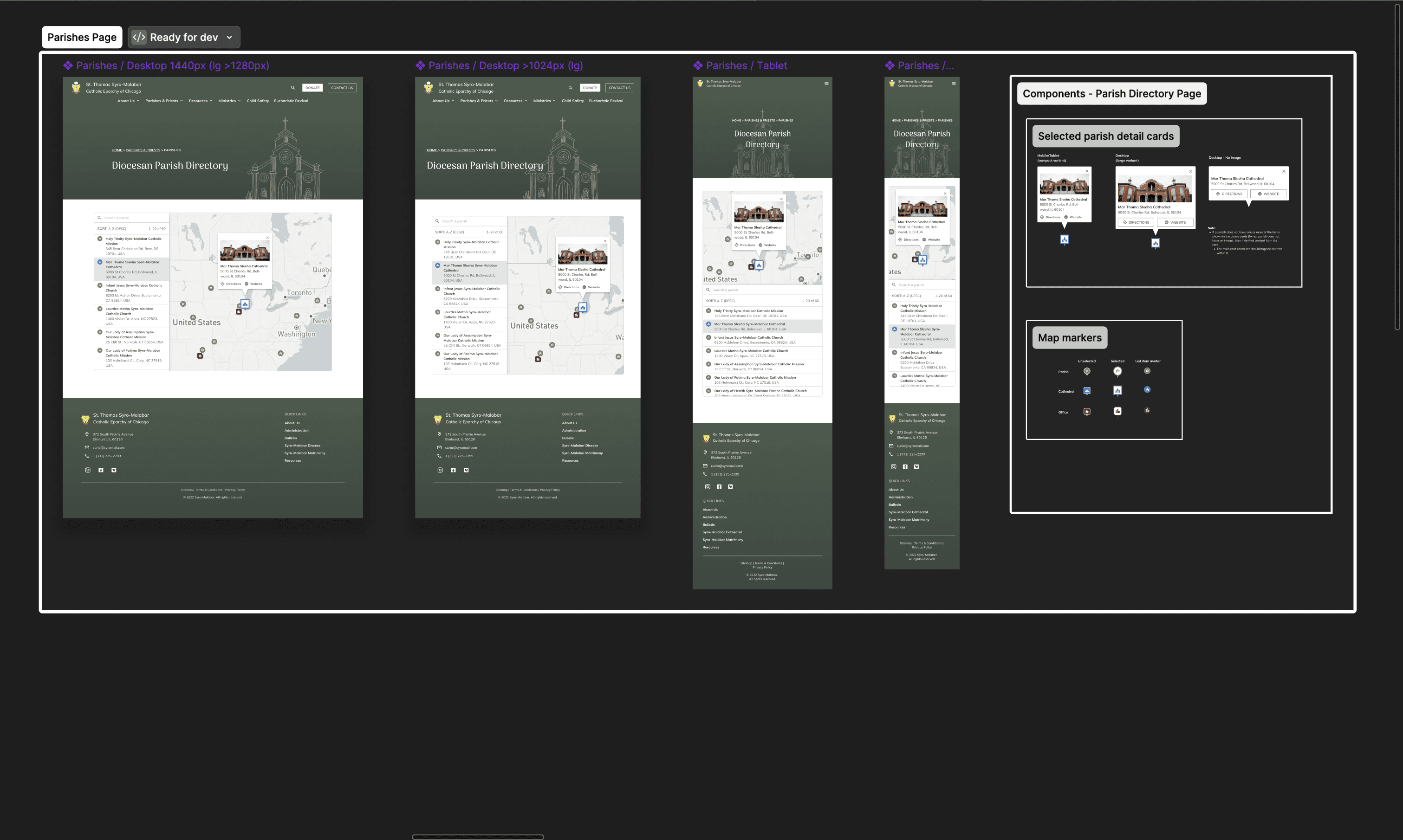
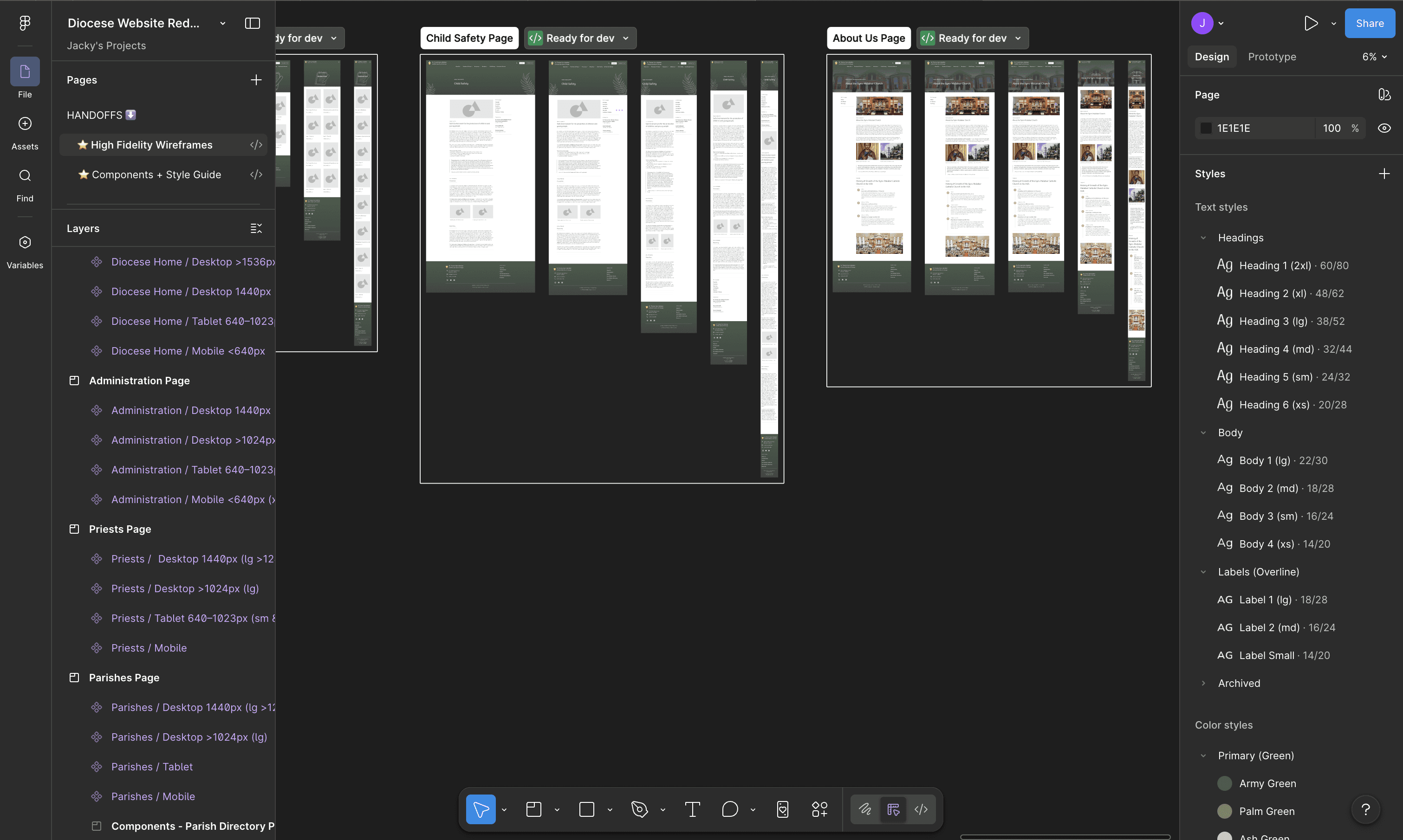
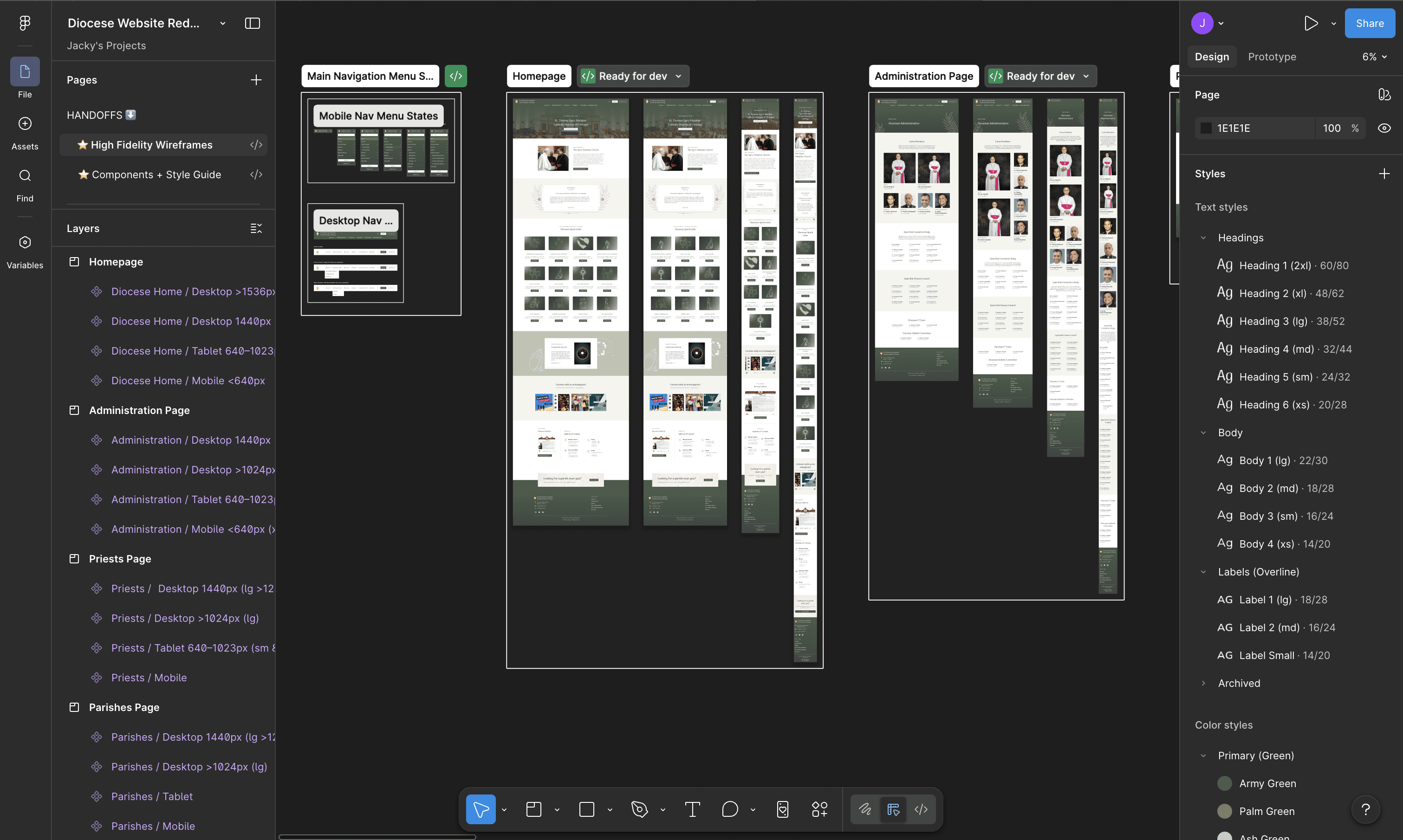
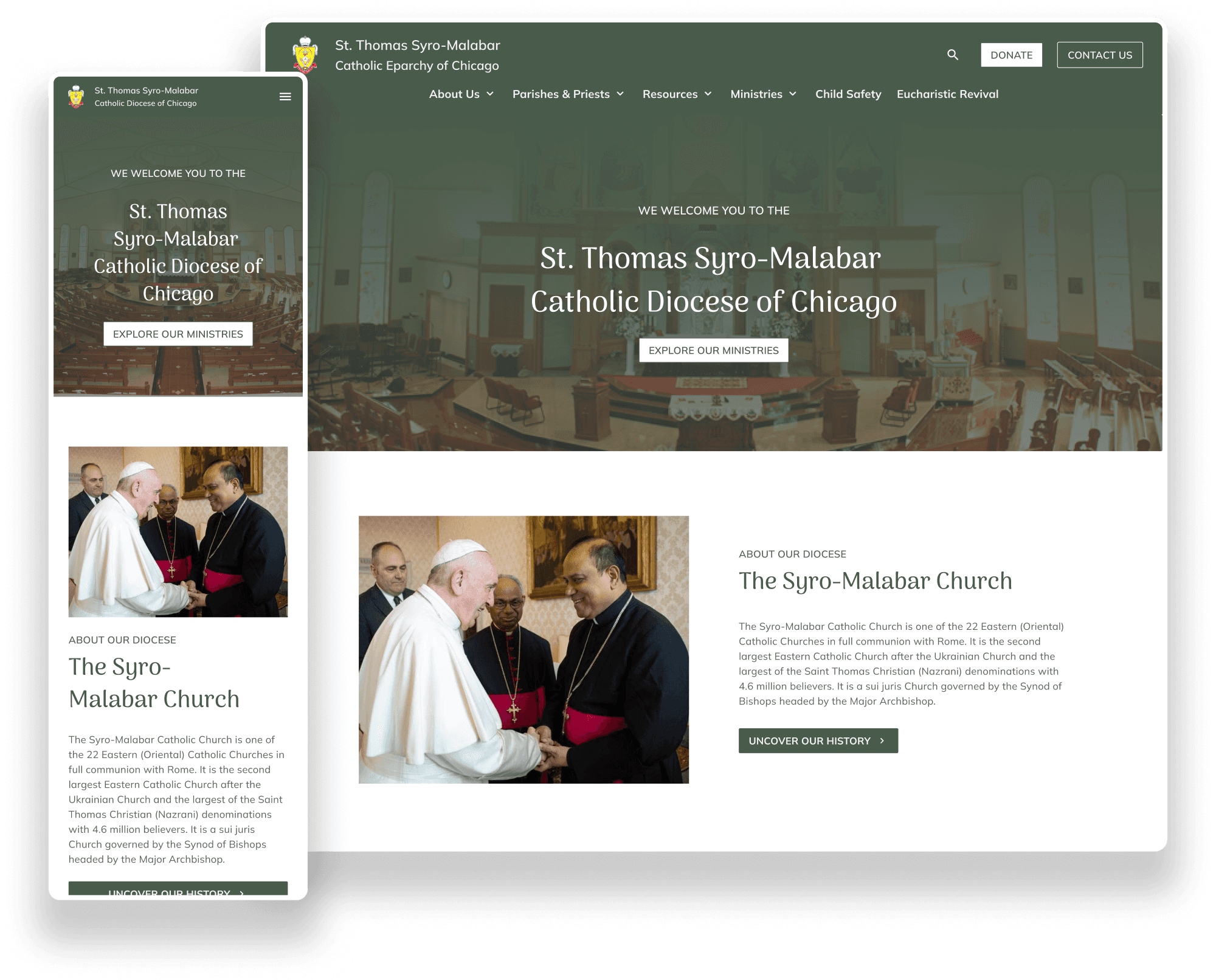
Old Website:

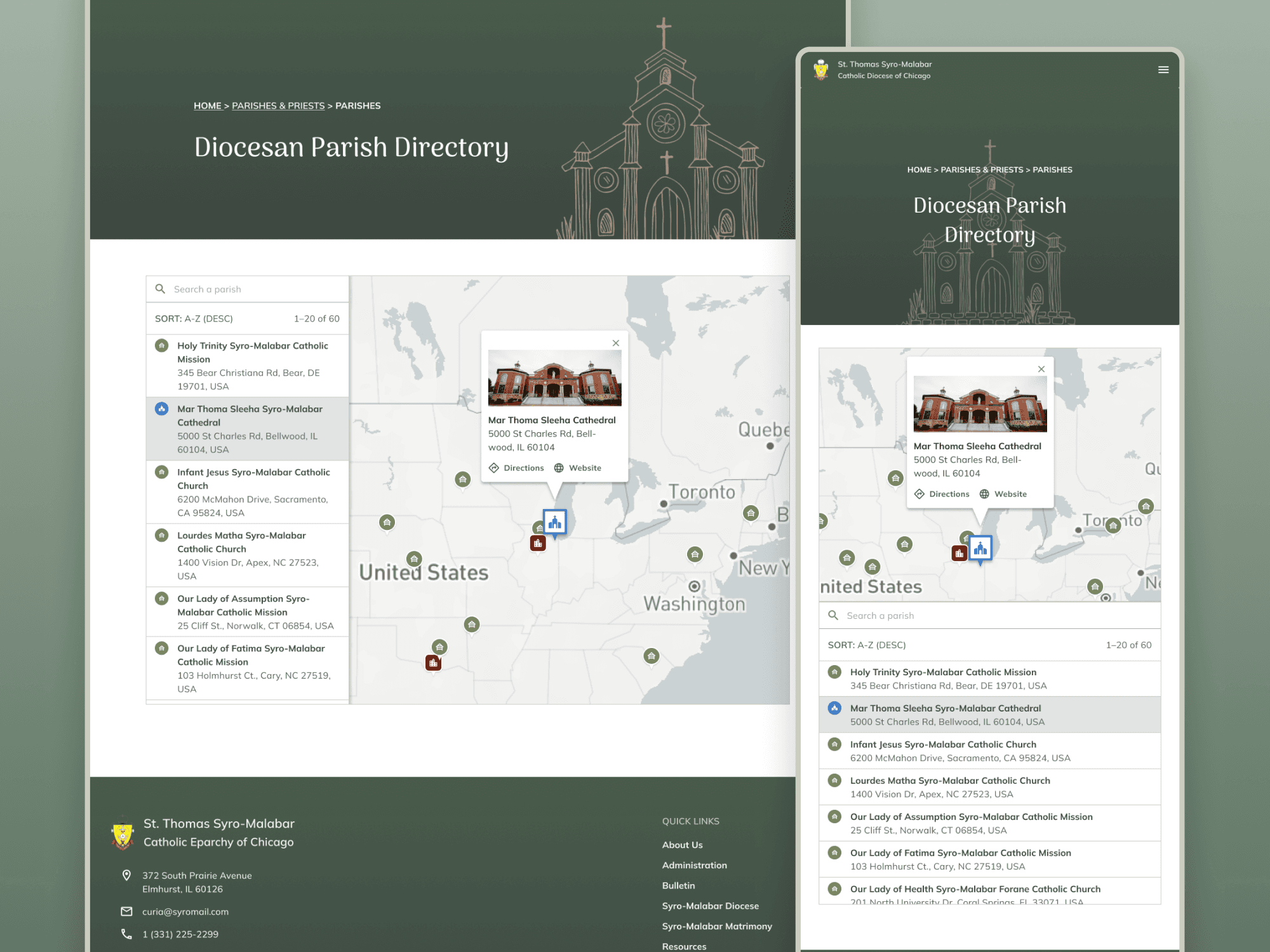
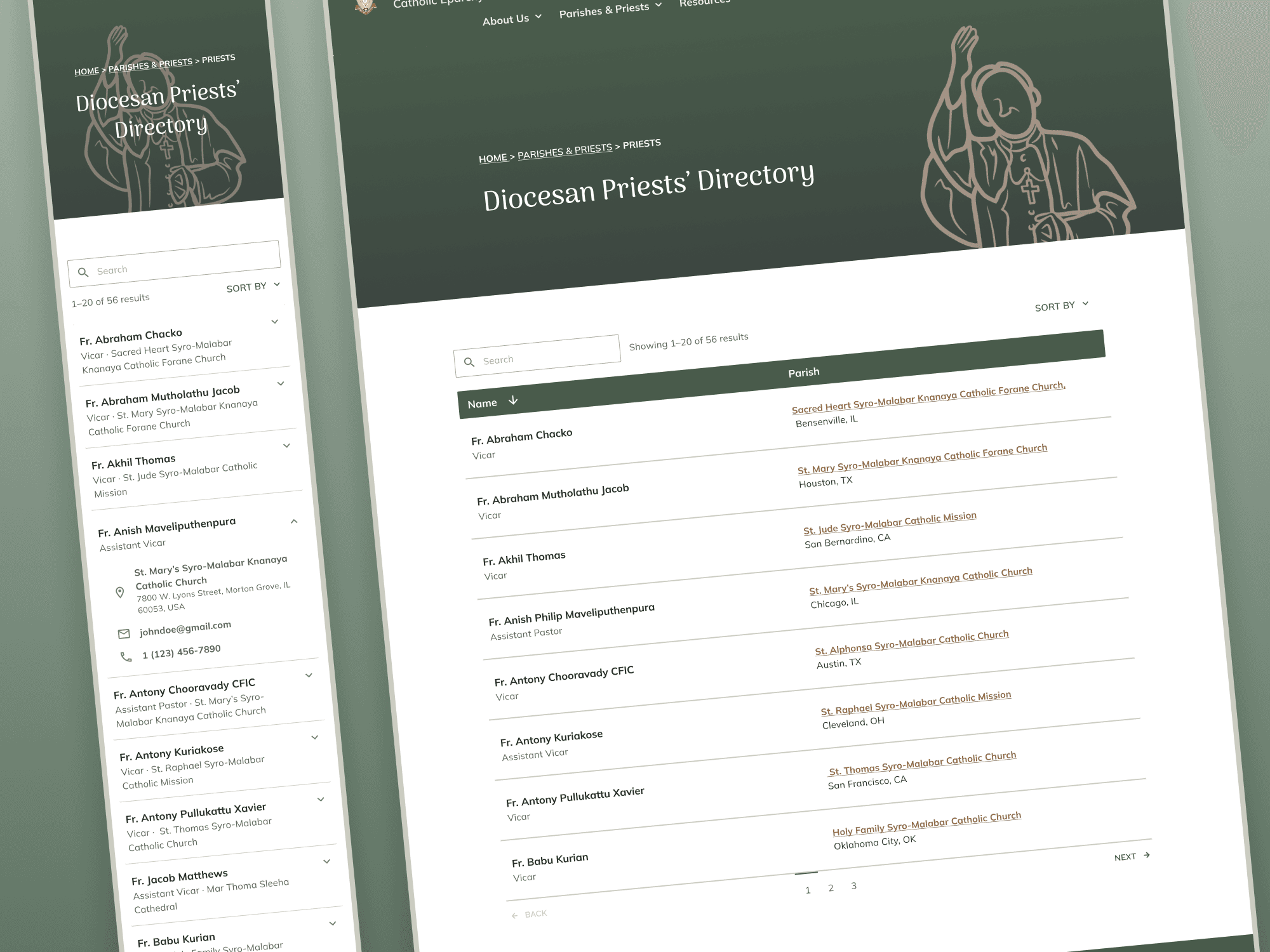
New Website:

Click Images to Expand

Full Case Study Coming Soon!

Full Case Study Coming Soon!

Full Case Study Coming Soon!

Retro'98

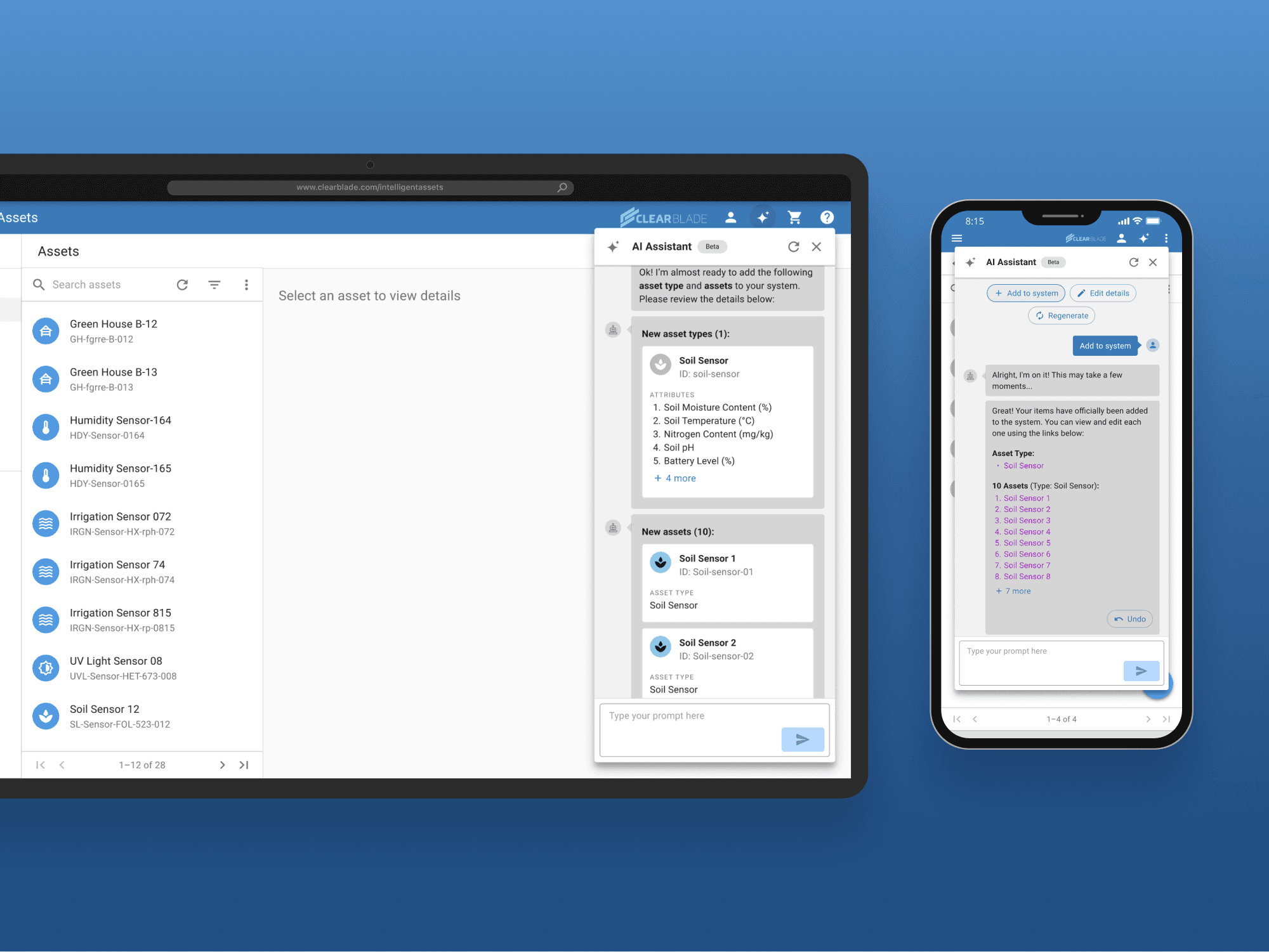
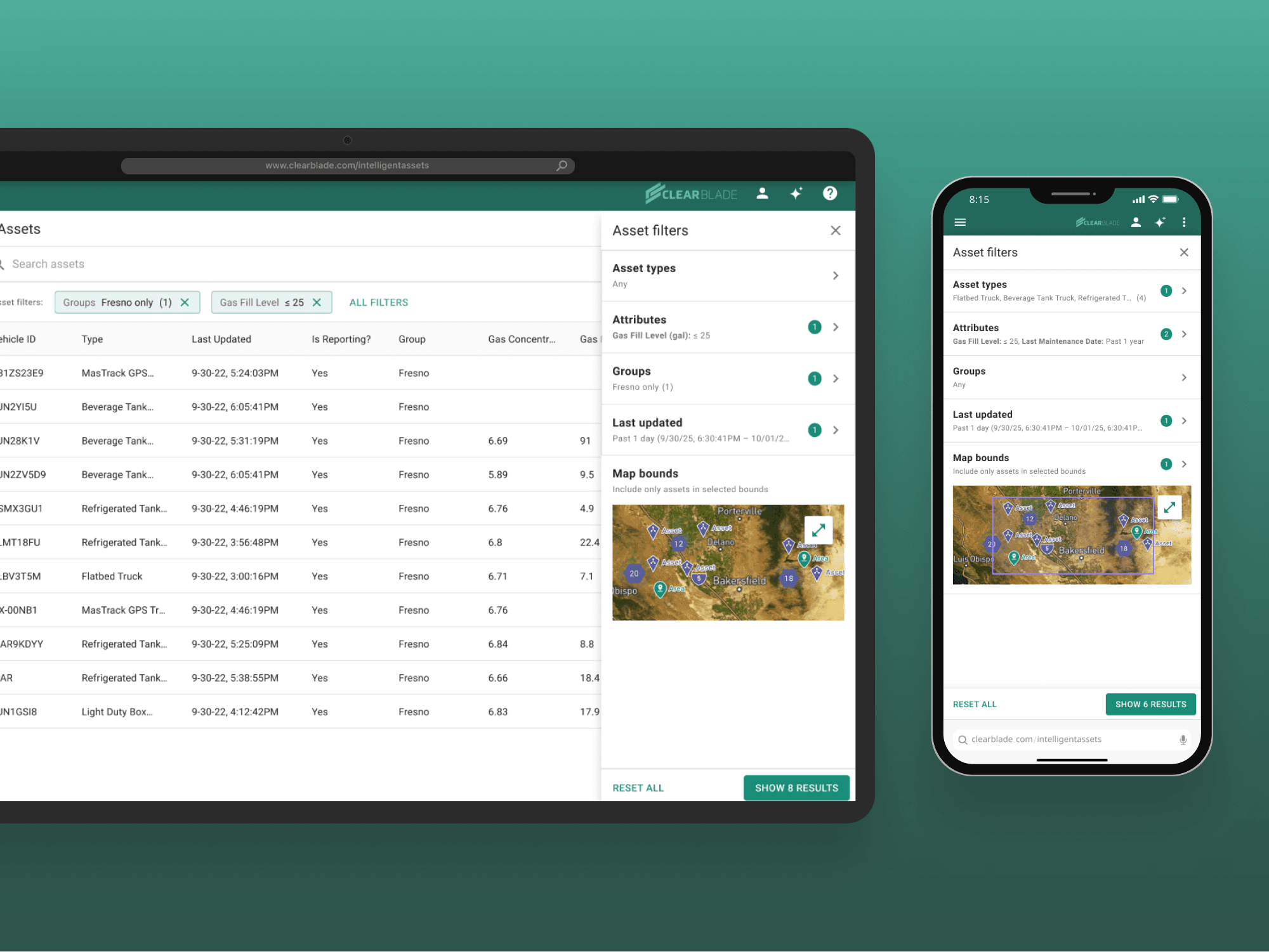
Intelligent Assets (IA) is an enterprise asset monitoring platform used across industries including logistics, manufacturing, energy, and agriculture to track equipment health, monitor sensor data, and respond to operational events in real time.
Customers rely on IA to search and filter through large datasets of assets, attributes, and events in order to identify issues quickly and maintain operational efficiency.
This project focused on redesigning the master search filtering experience on the Assets page — a core workflow used daily by operations teams and maintainers.


Client

FMarket

Service

Web Development

Year

2025

Like what you see? Contact me!